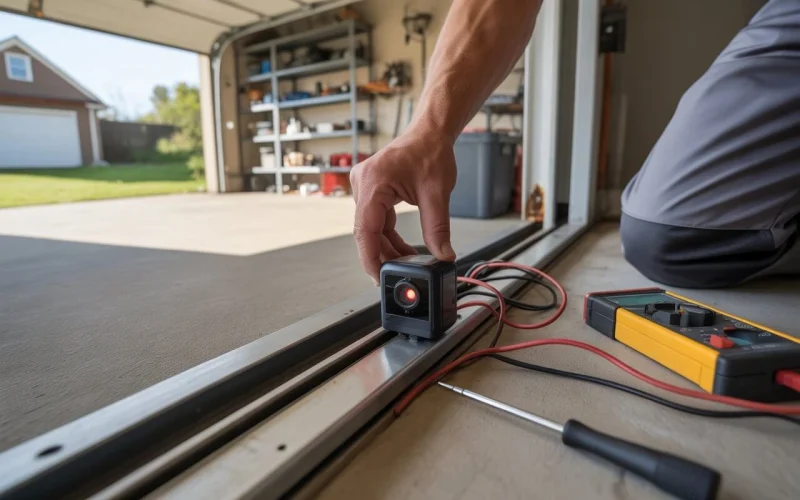
Garage door sensors play a crucial role in keeping your home safe and your garage door system running smoothly. When they stop working, even a simple task like closing your garage door can become frustrating or unsafe. In my years working as a garage repair doors expert, I’ve seen how often homeowners panic when sensors fail—yet most issues are actually simple to diagnose and fix.This detailed guide on Garage door sensor repair will help you understand how these sensors work, what causes them to fail, and how you can fix common problems step by step using easy methods that don’t require advanced technical skills.
Content
Garage Door Sensor Repair: How Garage Door Sensors Work (Simple Explanation)
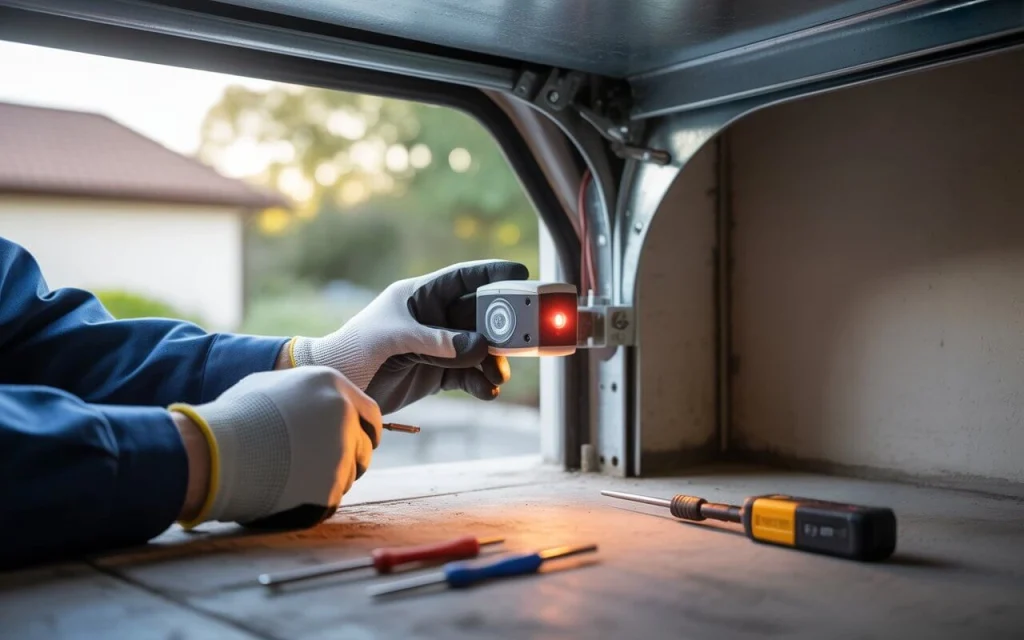
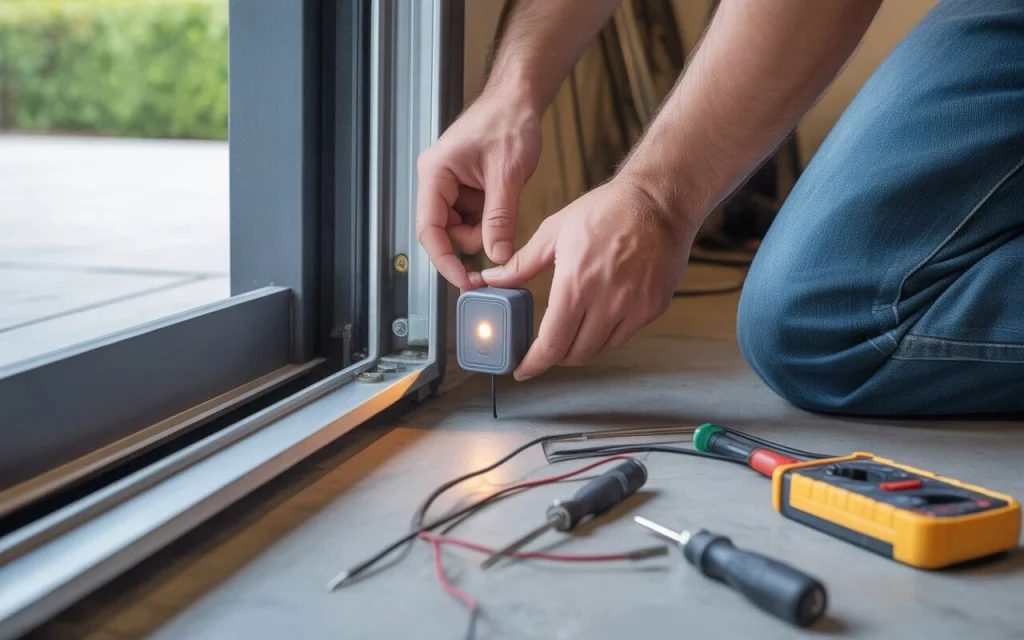
Before jumping into Garage door sensor repair, it’s important to understand what these sensors actually do.Garage door safety sensors are small devices placed near the bottom of your garage door tracks. They work using an infrared beam system—one sensor sends a beam, and the other receives it. If anything breaks this beam while the door is closing, the system automatically stops and reverses the door.This is why your garage door won’t close properly if something is wrong with the sensors.In most cases, sensors show their status through LED lights:
- Solid light = working properly
- Blinking light = alignment or wiring issue
- No light = power or sensor failure
Understanding this behavior is the first step in effective troubleshooting.
Common Problems That Require Garage Door Sensor Repair
Over the years, I’ve noticed that most sensor issues fall into a few common categories. Let’s break them down:
1. Misaligned Sensors
Even a slight bump from tools, boxes, or cars can knock sensors out of alignment. When this happens, the infrared beam cannot connect properly.
2. Dirty or Blocked Sensors
Dust, spider webs, or debris can block the beam. This is one of the simplest yet most ignored issues.
3. Wiring Issues
Loose, cut, or corroded wires can interrupt power flow and cause sensor failure.
4. Sunlight Interference
Direct sunlight hitting the sensor can confuse the infrared system, especially in the afternoon.
5. Faulty Sensors
Sometimes, sensors simply wear out over time and need replacement.These are the most frequent reasons homeowners search for garage door sensor troubleshooting solutions online.
Step-by-Step Guide: How to Fix Garage Door Sensor Not Working
If your garage door is acting up, follow this garage door sensor repair step by step guide before calling a technician.
Step 1: Check Sensor Lights
Look at both sensors. If one is off or blinking, that’s your first clue.
Step 2: Clean the Sensors
Use a soft cloth to gently clean the lens. Avoid using water spray directly.
Step 3: Realign the Sensors
Loosen the mounting brackets slightly and adjust both sensors so they face each other directly. Tighten them once aligned.
Step 4: Inspect Wiring
Check for loose or damaged wires near the sensors and opener unit.
Step 5: Test the Door
Close the garage door and see if it operates normally. If your issue still exists after these steps, you may need Garage door sensor repair or sensor replacement.
Advanced Troubleshooting Tips for Homeowners
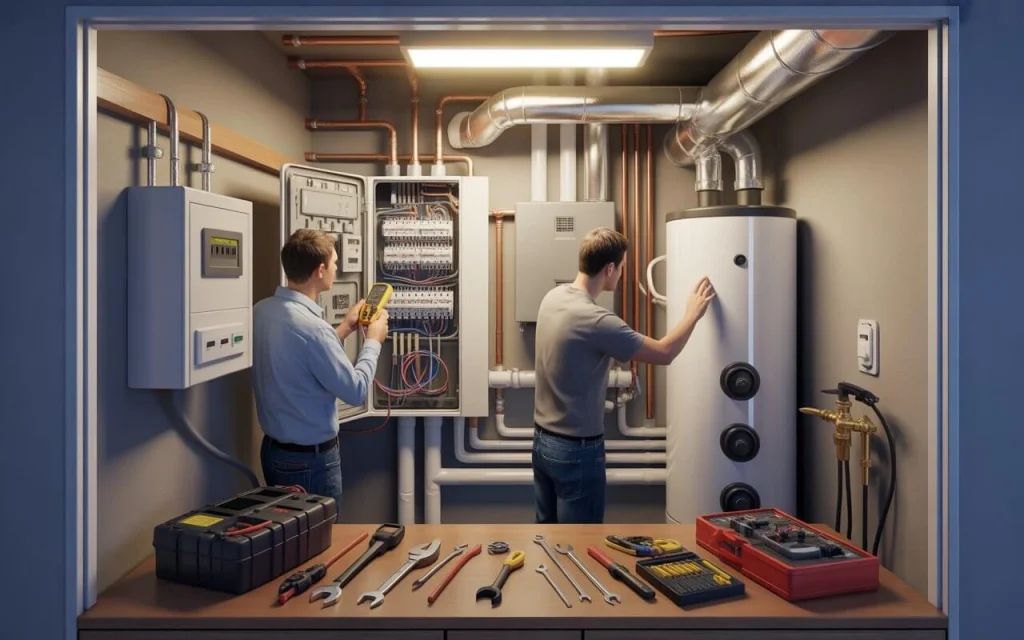
Sometimes basic fixes are not enough. Here are some advanced checks I recommend:
- Ensure no reflective surfaces are near sensors
- Check if the opener system is receiving stable power
- Reset the garage door opener system
- Verify sensor compatibility with your opener model
These steps are especially helpful when dealing with garage door sensors not detecting object fix situations where the system behaves unpredictably.
When Should You Replace Garage Door Sensors?
Not all sensor problems can be repaired. You should consider replacement if:
- Sensors are physically cracked or damaged
- LED lights do not turn on even after checking wiring
- Sensors fail repeatedly even after realignment
- Your system is more than 8–10 years old
At this point, replacement becomes more cost-effective than repeated repairs.
Real-Life Case Study: A Homeowner’s Sensor Problem Fixed in 20 Minutes
One of my recent service calls involved a homeowner who was struggling with a garage door open but won’t close the sensor issue. They had tried everything—resetting the opener, unplugging the system, even checking the remote.When I arrived, I noticed the issue immediately. One sensor was slightly tilted because their child had bumped into it while storing bicycles.Instead of replacing anything, I simply:
- Realigned both sensors
- Cleaned the lenses
- Tightened the brackets
Within 20 minutes, the garage door was working perfectly again.The homeowner was surprised because they were expecting a costly repair. This is a perfect example of how most garage door sensor repair cases are actually simple alignment issues rather than major failures.
Why Garage Door Sensor Repair Is So Important
Many people ignore sensor issues, but these small devices are critical for safety.Here’s why they matter:
1. Prevents Accidents
Sensors stop the door from closing on people, pets, or objects.
2. Protects Your Garage System
Faulty sensors can strain the opener motor over time.
3. Ensures Smooth Operation
A properly working system improves convenience and reliability.Ignoring sensor issues can lead to bigger mechanical problems later.
DIY vs Professional Repair: What’s Better?
Many homeowners prefer DIY repairs, and in most cases, that works well for Garage door sensor repair for:
- Cleaning sensors
- Realignment
- Basic troubleshooting
However, you should call a professional if:
- Wiring is damaged
- Sensors keep failing repeatedly
- The opener system is not responding
Professional help ensures long-term safety and prevents recurring issues.
Final Thoughts
Garage door sensors are small but extremely important for your home’s safety system. Most issues are simple and can be resolved with basic inspection and alignment. With the right approach, garage door sensor repair doesn’t always require expensive service calls, though some situations may also involve related fixes like Garage door cable repair.From my experience, homeowners often overestimate the problem when in reality, a quick cleaning or adjustment solves it instantly.
Understanding your system and performing regular checks can save both time and money in the long run.If your garage door is still not working after these steps, it may be time to bring in a professional for a deeper inspection to ensure all components are functioning safely and efficiently.
FAQs
How much does it cost to fix a garage door sensor?
Garage door sensor repair cost varies by issue, typically ranging from minor fixes to full replacement.
Can I replace garage door sensors myself?
Yes, you can replace garage door sensors yourself if you follow proper safety steps and wiring instructions.
What causes garage door sensors to fail?
Common causes include misalignment, dirt buildup, wiring faults, and long-term wear.
What are the three common causes of sensor failure?
Misalignment, wiring issues, and physical damage are the three most common causes.
How do I fix my garage sensor?
Fix garage sensors by cleaning lenses, checking alignment, and inspecting wiring connections.

Lena lives and breathes garage doors. She’s the one to turn to when you need insights on keeping your garage secure and functioning smoothly.