
The inside of a garage is often overlooked, yet it takes up a large visual space in your home. Upgrading it can instantly improve the overall feel of your storage or workspace. Many homeowners now explore Peel And Stick Wallpaper as a simple way to refresh dull surfaces without major renovation costs.A clean and styled garage interior not only improves appearance but also increases comfort when using the space for DIY projects, laundry zones, or home gyms. Applying Peel And Stick Wallpaper can transform a plain garage door into a decorative feature wall that blends with the rest of your home’s interior design.

Content
Peel And Stick Wallpaper Surface Preparation for Long-Lasting Results
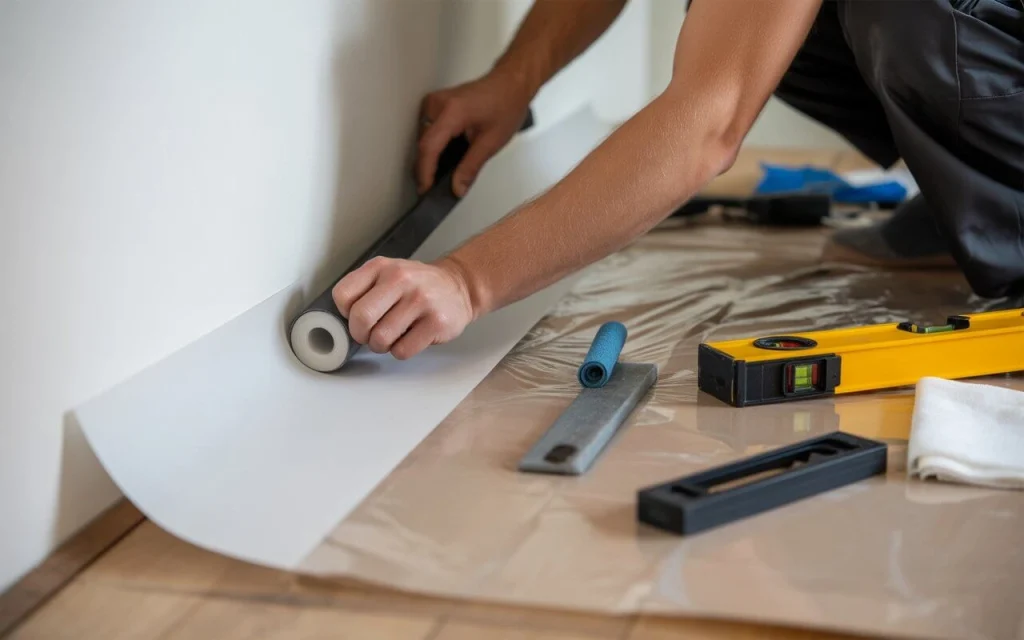
Before starting any installation, preparation plays the most important role. Dust, oil, and moisture are common in garages, so the surface must be thoroughly cleaned and completely dry.Start by wiping the garage door with a mild detergent solution to remove grease buildup. After cleaning, let it dry fully to ensure proper adhesion. Smooth surfaces work best, but even slightly textured doors can support Peel And Stick Wallpaper if primed correctly.For best results, lightly sanding metal or wood panels can improve grip. Always check alignment before applying any material, as Peel And Stick Wallpaper does not allow permanent repositioning once fully bonded.
Step-by-Step Installation Guide
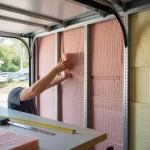
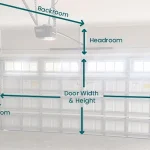
Careful installation ensures a professional finish even for beginners. Begin by measuring each section of the garage door to cut precise wallpaper strips.
- Start from one corner and slowly align the first strip vertically.
- Press gently from top to bottom to avoid air bubbles.
- Use a smoothing tool or soft cloth to push out trapped air.
- Trim excess edges for a clean finish.
When working in sections, consistency is key. Each strip of Peel And Stick Wallpaper should align perfectly with the previous one to maintain a seamless look across the entire door surface.Continue applying panel by panel until the full door is covered. Take your time during placement, as rushing can create wrinkles or misalignment.
Common Mistakes to Avoid
One of the most frequent errors is applying wallpaper on a damp or dusty surface. This significantly reduces adhesion and causes peeling over time. Another mistake is skipping measurement steps, which leads to uneven patterns.Using low-quality material can also affect durability, especially in garages where temperature changes are common. Choosing high-grade Peel And Stick Wallpaper designed for moisture resistance will ensure better performance in varying conditions.Avoid stretching the material during application, as it can distort patterns and weaken adhesive strength. Instead, apply it slowly with steady pressure for best results.
Creative Design Ideas for Garage Interiors
A garage door does not have to remain plain or industrial in appearance. With the right design choices, it can become a stylish part of your home interior. Wood-grain textures create a warm and modern look, while geometric patterns add a contemporary feel. Some homeowners prefer stone or brick-style designs for a more industrial aesthetic often featured in a modern garage door guide.Using Peel And Stick Wallpaper allows you to experiment with different looks without permanent changes.
If your style changes later, it can be removed and replaced easily, making it a flexible design solution. You can also coordinate the garage door design with wall shelving or storage units to create a unified visual space. Matching tones can make the garage feel larger, cleaner, and more organized while enhancing the overall appeal highlighted in many garage door guide ideas.
Maintenance, Durability, and Cleaning Tips
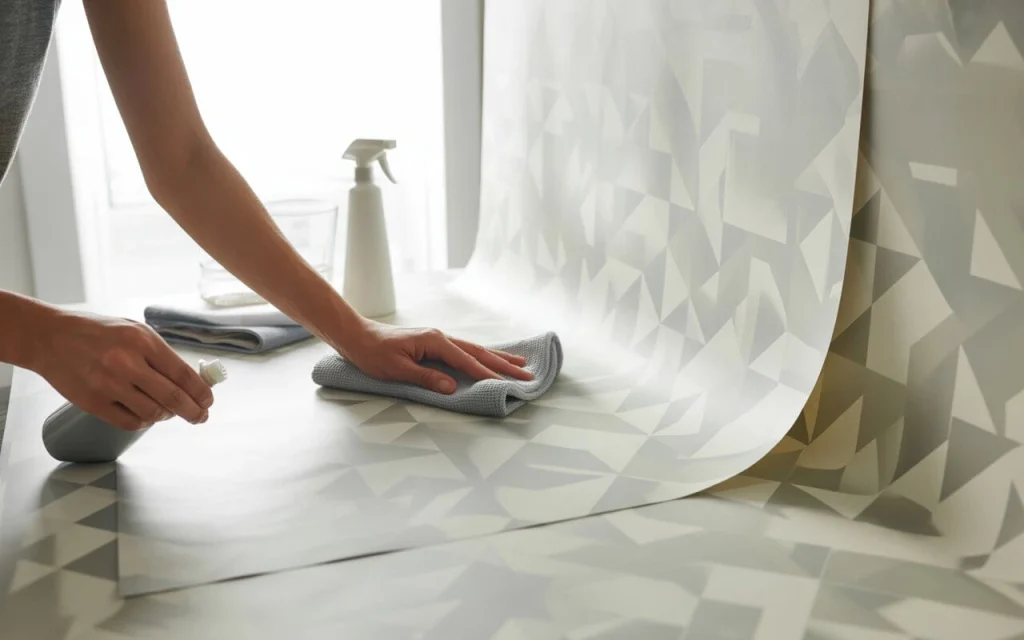
Once installed, proper maintenance helps extend the life of your design. Avoid using harsh chemicals or abrasive cleaning tools, as they may damage the surface.Instead, use a soft damp cloth to wipe away dust or stains. Regular light cleaning will keep the surface fresh and maintain the appearance of Peel And Stick Wallpaper over time.Temperature fluctuations in garages can sometimes affect adhesive strength. If edges begin to lift slightly, press them back down firmly or use a small amount of additional adhesive for reinforcement.High-quality materials are designed to last several years when maintained properly, making them a practical choice for long-term decoration.
Final Practical Tips for Homeowners
Before starting, always test a small sample piece on the garage surface to ensure proper adhesion. This helps avoid unexpected results and ensures compatibility with your wall type or Wall decal material. Work in good lighting conditions to improve accuracy during alignment. Poor lighting can lead to uneven placement and visible seams.Most importantly, patience is key. A careful and steady approach will always produce better results than rushing through the process. When applied correctly, Peel And Stick Wallpaper can completely redefine the look of your garage interior without requiring expensive renovations or professional help, especially when combined with stylish Wall decal designs for a more customized appearance.
FAQs
Is peel and stick wallpaper a good idea?
Yes, it is a practical and budget-friendly option for quick interior updates. It works best for renters or homeowners who want a non-permanent decorative solution.
How long does stick and peel wallpaper last?
On properly prepared smooth surfaces, it can last 3 to 7 years depending on quality, humidity, and how well it is maintained.
Is 3D wallpaper good for walls?
3D wallpaper can be a good choice for creating depth and texture. However, it works best on flat, clean, and dry surfaces for proper adhesion.
How do I use peel and stick wallpaper?
Measure the surface, clean it thoroughly, align the first strip carefully, apply slowly from top to bottom, and smooth out air bubbles as you go.
What are common mistakes with peel and stick wallpaper?
Applying on dusty or oily walls, poor alignment, stretching the material, and ignoring air bubbles are the most common mistakes.

Meet Rodney, our garage guru. With a wrench in one hand and a can-do attitude in the other, he’s your go-to expert for all things repair and replacement.