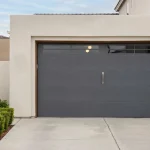
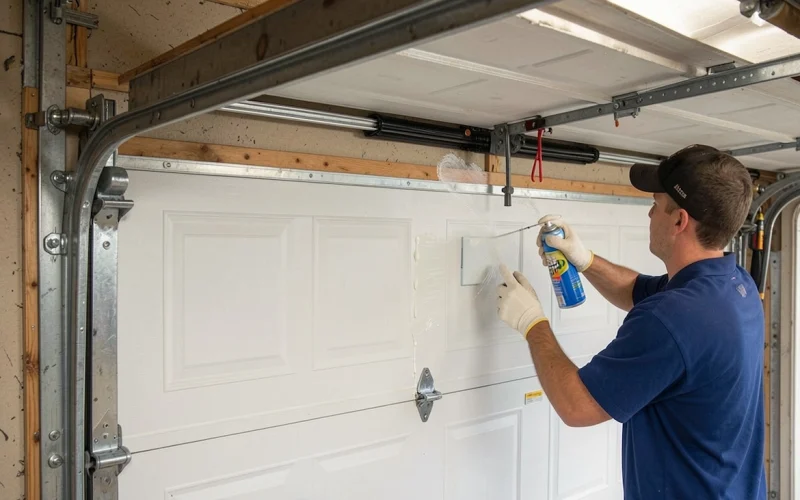
A noisy garage door can quickly become one of the most frustrating sounds in a home. Squeaking rollers, grinding hinges, and jerky movement are all signs that your garage door may need proper maintenance. The good news is that learning how to lubricate garage door components correctly is a simple DIY task that can improve performance, reduce wear, and extend the life of your entire system.
Many homeowners ignore garage door maintenance until something stops working. However, regular lubrication helps prevent expensive repairs and keeps all moving parts operating smoothly year-round. Whether your door is making loud noises or simply moving slower than usual, proper lubrication can make a noticeable difference within minutes.
In this guide, you’ll learn the safest and most effective way to lubricate your garage door, the best products to use, common mistakes to avoid, and expert tips gathered from real garage door service experience.
Content
Why You Should Learn How to Lubricate Garage Door Properly
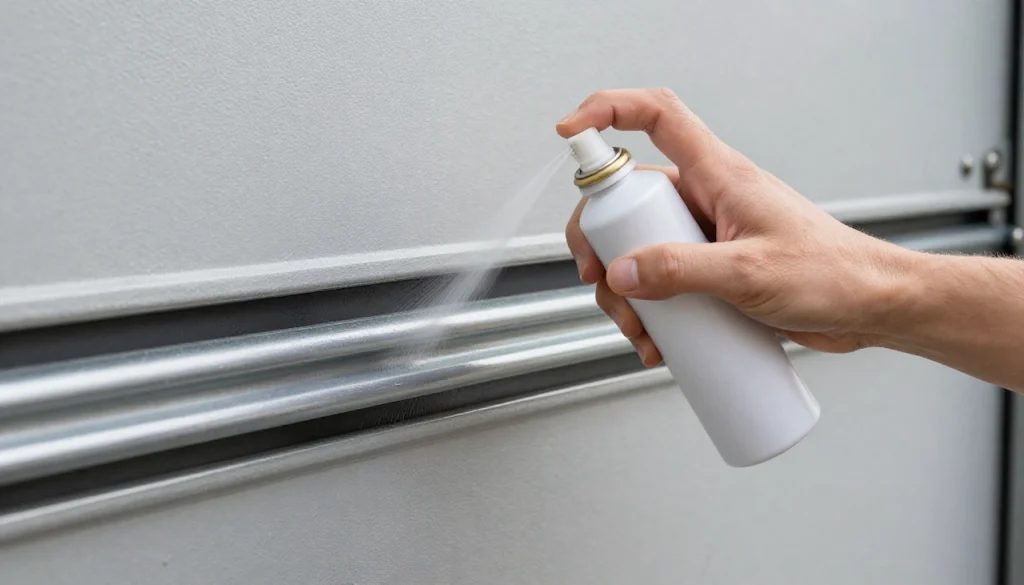
Your garage door is one of the largest moving systems in your home, which is why learning how to lubricate garage door parts properly is so important. The system relies on multiple metal components working together every day, including rollers, springs, hinges, bearings, and tracks. Without regular lubrication, friction builds up between these moving parts and creates unnecessary strain on the entire garage door system.
Regular garage door maintenance offers several important benefits:
- Reduces squeaking and grinding noises
- Helps the door open and close smoothly
- Prevents rust and corrosion
- Minimizes wear on moving parts
- Extends the lifespan of springs and rollers
- Reduces stress on the opener motor
Many homeowners searching for how to stop garage door squeaking noises are surprised to learn that lubrication alone often solves the problem.
Best Lubricant for Garage Door Maintenance
Choosing the correct product is essential when learning how to lubricate garage door components properly. One of the biggest mistakes homeowners make is using the wrong spray lubricant, which can attract dirt, create buildup, and reduce the overall performance of the garage door system.
The best lubricant for garage door maintenance is usually:
- Silicone-based spray lubricant
- White lithium grease
- Garage-door-specific lubricants
Avoid using heavy grease or products that attract dirt and debris. Standard degreasers may temporarily loosen stuck parts, but they are not ideal long-term lubricants.A silicone garage door lubricant works especially well because it creates a protective layer without becoming sticky.
Tools You Need Before Starting
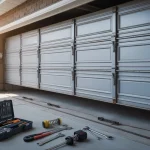
Before starting the job, gather these simple tools:
- Silicone spray or white lithium grease
- Clean microfiber cloth
- Step ladder
- Protective gloves
- Mild household cleaner
- Safety glasses
You do not need expensive equipment to perform basic garage door preventive maintenance at home.
How to Lubricate Garage Door Step by Step
Proper lubrication is not just about spraying every visible part. Applying lubricant correctly helps avoid dirt buildup and unnecessary damage.
Disconnect the Garage Door Opener
For safety, disconnect the automatic garage door opener before beginning. This prevents accidental movement while you work.Manually lift the garage door halfway to inspect how smoothly it moves.If you notice resistance, loud popping sounds, or uneven movement, lubrication may help. However, damaged springs or cables should always be handled by professionals.
Clean the Garage Door Parts First
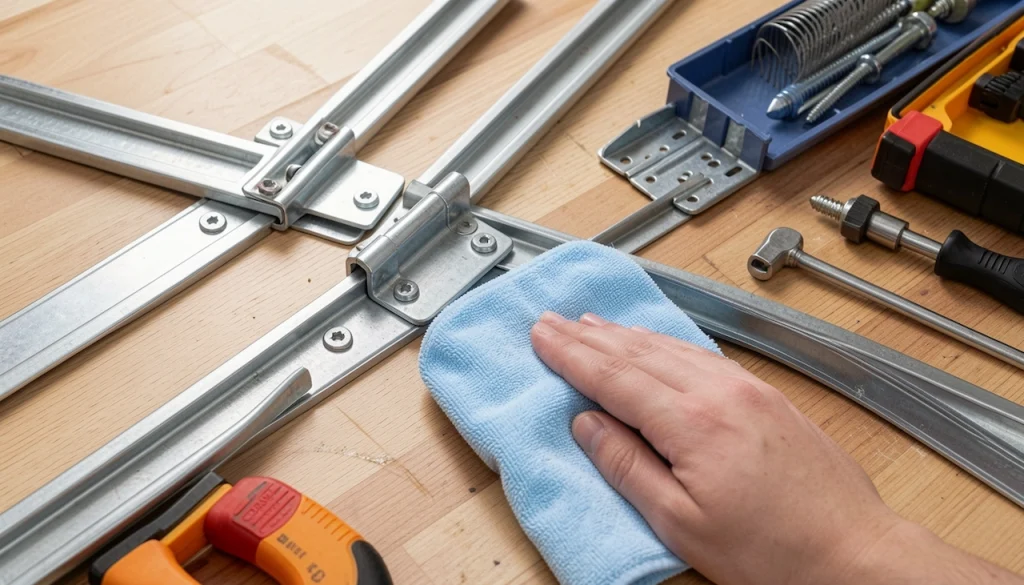
Before applying lubricant, wipe away dust, old grease, and debris from all moving components.
Focus on:
- Hinges
- Rollers
- Bearings
- Springs
- Tracks
Cleaning is important because lubricant applied over dirt can create buildup that worsens performance.One common misconception about garage door track maintenance is that tracks should be heavily lubricated. In reality, tracks mainly need cleaning rather than excessive lubrication.
Lubricating Garage Door Rollers Properly
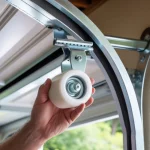
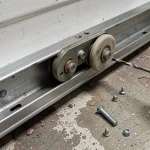
How to lubricate garage door rollers is one of the most important maintenance tasks homeowners should learn. Metal rollers, in particular, require routine lubrication because they experience constant friction during daily operation.
Spray lubricant:
- Around roller bearings
- At the wheel stems
- On moving joints
Avoid spraying directly onto nylon roller wheels unless they contain exposed bearings.If you’re wondering how to lubricate garage door rollers properly, the key is using small, controlled amounts instead of oversaturating the parts.After applying lubricant, manually move the door several times to distribute it evenly.
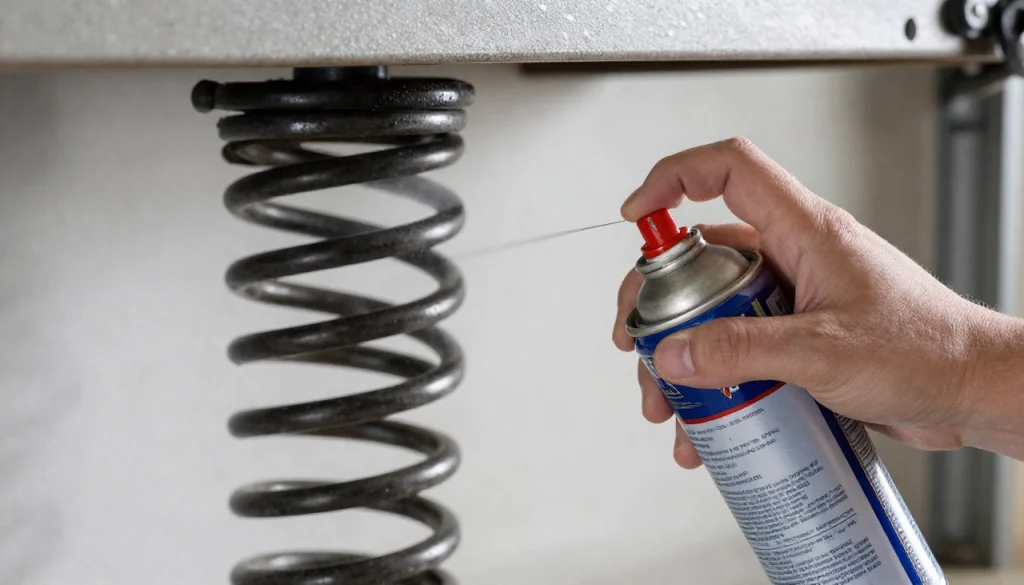
Garage Door Spring Lubrication
Springs are under high tension and are critical to safe operation.
Proper garage door spring lubrication helps:
- Reduce friction
- Prevent rust
- Improve flexibility
- Extend spring lifespan
Apply lubricant lightly across the torsion spring while the door is closed.Do not attempt to adjust or remove springs yourself. Springs can cause serious injury if mishandled.A quick spray every few months can significantly improve spring performance and reduce strain on the opener system.
How to Lubricate Garage Door Hinges and Bearings Properly
The garage door hinges constantly flex as the door moves up and down. Over time, dry hinges begin creating squeaking or clicking sounds.
Apply lubricant:
- Between hinge pivot points
- Around bearings
- On metal contact areas
Open and close the garage door several times after lubrication.You’ll often notice quieter movement immediately.
What Parts Should NOT Be Lubricated
This is where many DIY homeowners make mistakes.
Do NOT heavily lubricate:
- Garage door tracks
- Plastic components
- Garage door sensors
- Rubber seals
Tracks should remain mostly clean and dry. Excess lubricant inside tracks can attract dust and create buildup that interferes with roller movement.If you’re researching garage door maintenance checklist for smooth operation, proper track cleaning is just as important as lubrication itself.
Common Garage Door Lubrication Mistakes
Even when learning how to lubricate garage door systems, simple maintenance can go wrong if done incorrectly. Here are the most common mistakes homeowners make:
Using WD-40 as the Main Lubricant
WD-40 is primarily a cleaner and degreaser, not a long-term lubricant.
Applying Too Much Lubricant
Over-lubrication attracts dirt and dust.
Ignoring Rollers and Bearings
Many people learning how to lubricate garage door systems only spray the hinges and forget the rollers.
Lubricating Dirty Parts
Always clean components before applying lubricant.
Forgetting Routine Maintenance
Garage doors should be maintained regularly, not only when problems appear.
Real-Life Garage Door Service Case Study
Last winter, one homeowner contacted our garage repair team because their garage door sounded extremely loud every morning. The opener struggled, and the door shook while moving.After inspection, the problem turned out to be severe dryness in the rollers, hinges, and torsion spring. The homeowner had never performed lubrication in over four years.
We completed:
- Full cleaning of the tracks
- Lubrication of all moving parts
- Roller inspection
- Spring lubrication
- Bearing maintenance
The result was immediate. The garage door became noticeably quieter, smoother, and faster within the same visit.The homeowner later mentioned they thought the opener was failing, but the issue was simply poor maintenance.This is a perfect example of how regular garage door care guide practices can prevent unnecessary repair costs.
How Often Should You Lubricate a Garage Door?

Most professionals recommend following a regular how to lubricate garage door maintenance schedule every:
- 3 to 6 months for heavy daily use
- 6 months for average residential use
- Before winter for cold climates
Homes with humid conditions may require more frequent lubrication because moisture increases rust risk.Consistent maintenance is one of the easiest ways to improve long-term garage door reliability.
Signs Your Garage Door Needs Lubrication
Watch for these warning signs:
- Squeaking noises
- Grinding sounds
- Jerky movement
- Slower opening speed
- Vibrations during operation
- Rust around springs or hinges
These are common indicators that your garage door moving parts need attention.Ignoring these signs may eventually lead to damaged rollers, worn hinges, or opener strain.
Garage Door Maintenance Checklist for Smooth Operation
A simple maintenance routine and knowing how to lubricate garage door parts correctly can keep your garage system working efficiently for years.
Monthly Checklist
- Inspect rollers and hinges
- Check for loose hardware
- Listen for unusual noises
- Clean tracks
Every 3–6 Months
- Lubricate rollers and bearings
- Perform garage door spring lubrication
- Inspect opener chain or belt
- Test door balance
Annually
- Schedule professional inspection
- Check cable condition
- Evaluate spring wear
- Test safety sensors
Following this garage door maintenance checklist for smooth operation helps prevent unexpected breakdowns and improves safety.
Final Thoughts on How to lubricate garage door
Learning how to lubricate garage door components properly is one of the easiest and most valuable maintenance tasks homeowners can perform. A few minutes of care can reduce noise, improve smooth operation, and help prevent costly repairs later.
From lubricating garage door rollers to performing safe garage door spring lubrication, regular maintenance keeps every moving part functioning efficiently. Understanding the Types of garage door springs also helps you apply the correct lubrication method, as torsion and extension springs have different maintenance requirements. Using the best lubricant for garage door maintenance and following proper techniques can dramatically improve your garage door’s performance and lifespan.If your garage door still struggles after lubrication, a professional inspection may be necessary to identify worn or damaged parts before they become major problems.
FAQs
What kind of lubricant do you use on a garage door chain?
Use white lithium grease or a garage door lubricant designed for opener chains and moving metal parts.
Is silicone or lithium grease better for garage doors?
Silicone works well for most parts, while white lithium grease is better for metal-to-metal contact areas.
Is it safe to lubricate a garage door myself?
Yes, basic garage door maintenance is safe if you avoid adjusting high-tension springs and cables.
Is WD-40 the same as lubricant?
No, WD-40 is mainly a cleaner and degreaser, not a long-term garage door lubricant.
What happens if I don’t lubricate it?
Lack of lubrication can cause noisy movement, worn rollers, damaged springs, and opener strain.

Lena lives and breathes garage doors. She’s the one to turn to when you need insights on keeping your garage secure and functioning smoothly.