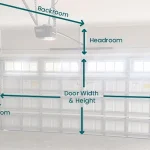
A garage often gets overlooked when it comes to home insulation, yet it plays a major role in how comfortable your home feels overall. In many cases, I’ve seen homeowners struggling with extreme heat in summer and freezing temperatures in winter—without realizing their garage door is the main reason.As someone working in garage repair doors for years, I can confidently say that learning how to insulate a garage door is one of the most practical and cost-effective home upgrades you can do without major renovation work.
Content
How to insulate a garage door: Why It Matters More Than You Think
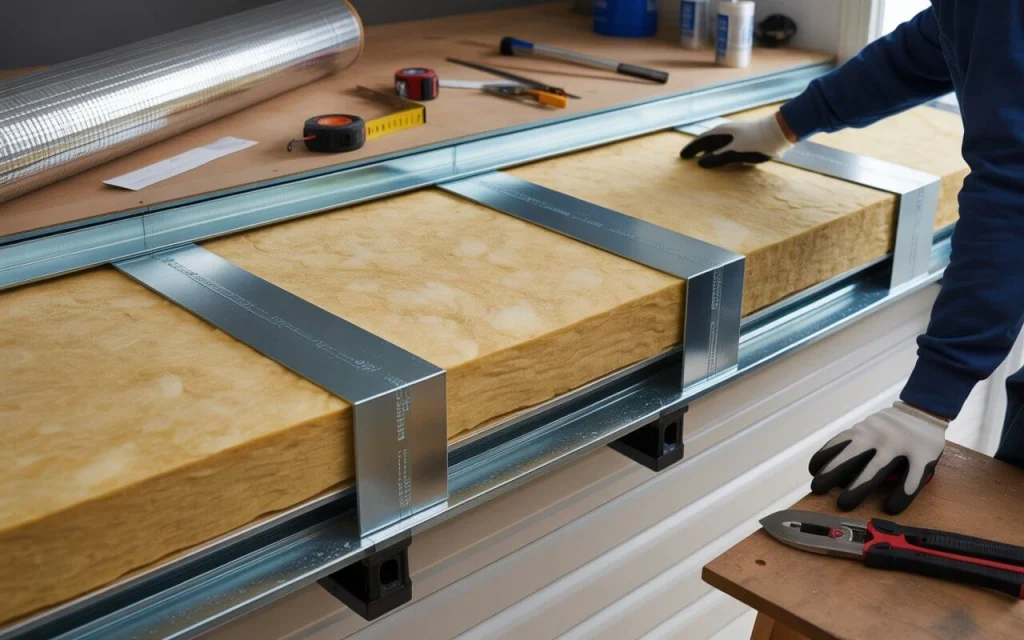
When learning How to insulate a garage door, it’s important to understand that garage doors usually cover a large surface area and are often made of thin metal or basic wooden panels. Without proper insulation, they become a weak barrier that easily allows outdoor temperatures to affect your home’s interior.
This leads to:
- Rapid heat loss in winter
- Excessive heat buildup in summer
- Higher electricity bills
- Uncomfortable garage environment
- Poor protection for stored items
This is why garage door insulation is now considered a must-have upgrade in modern homes, especially for attached garages.
Benefits of Insulating a Garage Door
From real field experience with How to insulate a garage door, homeowners often notice improvements almost immediately after installation.
1. Stable Indoor Temperature
Insulation helps maintain a balanced temperature inside the garage, making it usable year-round.
2. Energy Efficiency Improvement
A properly insulated garage reduces heat transfer, which helps lower the load on heating and cooling systems.
3. Noise Reduction
One underrated benefit is soundproofing. Insulation reduces outside noise from traffic, neighbors, or machinery.
4. Protection for Stored Items
When applying How to insulate a garage door, tools, paint, electronics, and seasonal storage items stay safer from extreme heat or cold.
5. More Functional Space
Many homeowners turn their garages into workshops, gyms, or storage rooms after insulation.
Best Materials for Garage Door Insulation
Choosing the right material is important when planning how to insulate a garage door for winter or summer conditions.
Foam Board Insulation
Lightweight, affordable, and easy to install. This is one of the most popular choices for DIY projects.
Reflective Insulation
Best for hot climates as it reflects heat away instead of absorbing it.
Fiberglass Panels
Highly effective but slightly more complex to install and handle.
Garage Door Insulation Kit
Pre-cut kits designed for easy installation. Ideal for beginners who want a quick solution.Each option has its own advantages depending on climate, budget, and garage usage.
How to insulate a garage door: Tools You’ll Need Before Starting
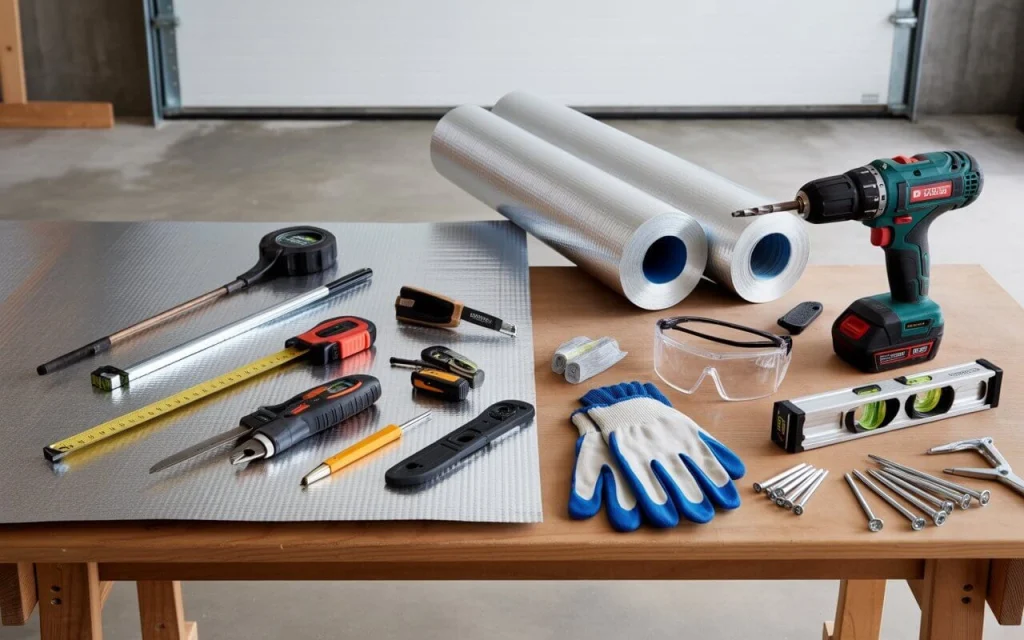
Before beginning the project, prepare the following:
- Measuring tape
- Utility knife
- Adhesive or double-sided tape
- Cleaning cloth
- Straight edge or ruler
- Safety gloves
- Insulation panels or kit
Preparation ensures smooth installation and better long-term results.
Step-by-Step Guide: How to Insulate a Garage Door Properly
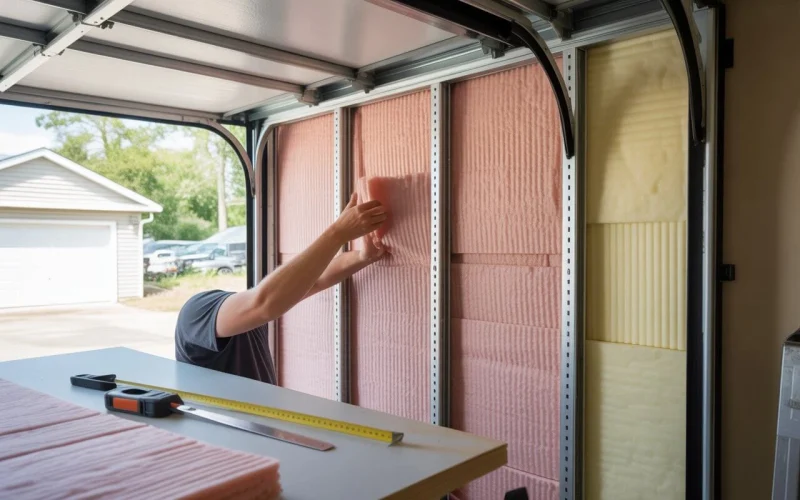
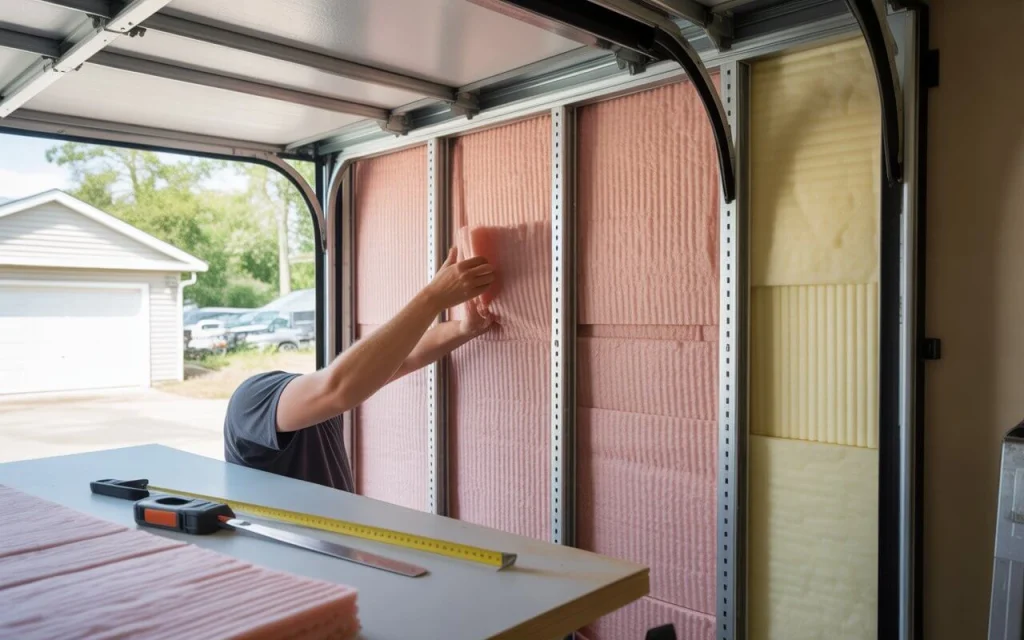
This is the exact method I often recommend during service visits for homeowners who want a DIY garage door insulation solution.
Step 1: Clean the Surface
Start by cleaning each panel thoroughly. Dust, grease, or moisture can weaken adhesive strength.
Step 2: Measure Each Panel
Measure every section of the garage door individually. Even small differences matter for proper fitting.
Step 3: Cut Insulation Panels
Cut foam boards or insulation sheets according to measurements. Slightly smaller cuts help with easy placement.
Step 4: Attach Insulation Material
Apply adhesive or tape and press the insulation firmly into place. Make sure it sits evenly.
Step 5: Secure Edges Properly
Seal all edges tightly to avoid air leakage. This step is critical for achieving full efficiency.
Step 6: Add Weather Stripping
Install sealing strips around the door edges to block drafts and improve overall insulation performance. This is one of the most reliable steps when working on How to insulate a garage door, especially if you want to insulate a metal garage door effectively without professional help.
Sealing Air Leaks for Maximum Performance
Even the best insulation won’t perform well if air leaks are ignored.
Common leakage points include:
- Bottom gap of the garage door
- Side rails and tracks
- Upper frame edges
Using rubber seals or weather stripping helps improve the efficiency of your insulation system significantly and supports overall garage temperature control.
Common Mistakes to Avoid During Installation
Based on real service calls, here are mistakes I often see:
- Using overly thick insulation that affects door movement
- Leaving gaps between insulation panels
- Skipping proper surface cleaning
- Not sealing corners and edges
- Ignoring door weight balance
Avoiding these mistakes ensures your insulation lasts longer and performs efficiently.
How to Insulate a Garage Door: Real-Life Garage Transformation Case Study
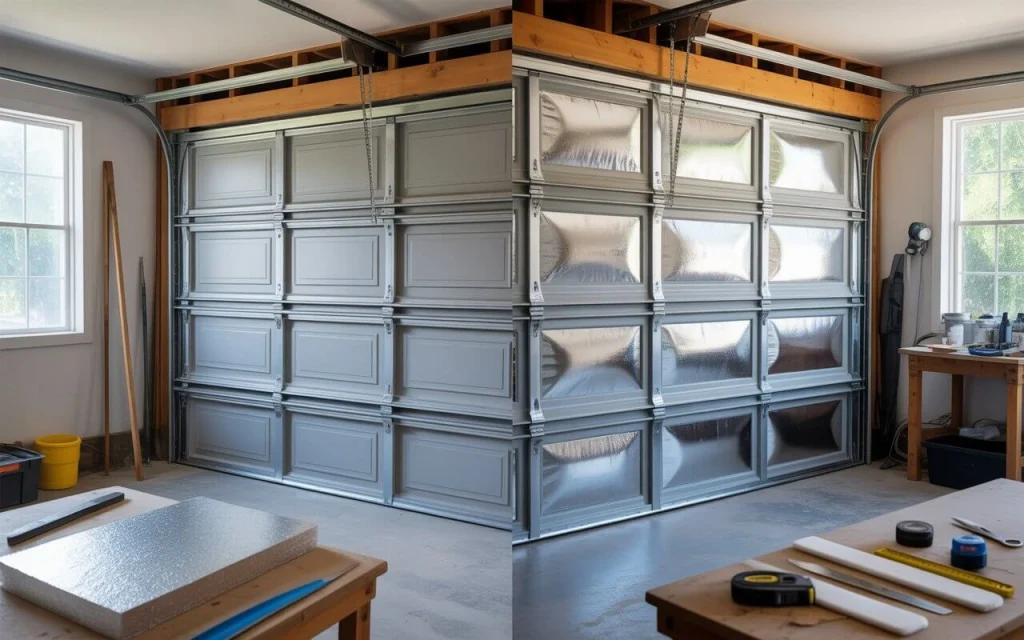
A homeowner I worked with in a residential area had an attached garage that was almost unusable during winter. The space was extremely cold, and they avoided using it completely.They were looking for the best way to insulate a garage door without spending too much money on renovations.
What We Did:
We used foam board insulation combined with weather stripping and sealed all side gaps. The goal was a simple yet effective garage door insulation installation guide approach.
Before Insulation:
- Garage temperature nearly matched outdoor cold
- High energy usage in nearby rooms
- Storage items were affected by moisture and cold
- Space remained unused during winter
After Insulation:
- Noticeable temperature improvement within days
- Reduced cold drafts entering the home
- Garage became usable as a small workshop
- Better overall energy efficiency in the home
The homeowner later shared that this small upgrade made a huge difference in comfort and daily usage.
Is DIY Garage Door Insulation Worth It?
In most situations, yes. If your garage door is structurally sound, How to insulate a garage door can be handled as a DIY project and is one of the most affordable upgrades you can make.
It works best when:
- You use lightweight materials
- You follow proper installation steps
- You seal all air gaps carefully
However, if your door is old or damaged, professional inspection may be necessary before starting insulation work.
Cost vs Value: What to Expect
Insulation costs vary depending on material choice:
- Foam board: budget-friendly
- Reflective insulation: low cost
- Insulation kits: mid-range pricing
Compared to heating and cooling savings, this upgrade often pays back over time.
Final Thoughts on Garage Door Insulation
Understanding how to insulate a garage door is more than just a DIY skill—it’s a smart home improvement decision that improves comfort, reduces energy costs, and increases usability. Whether you’re trying to improve garage temperature control, reduce noise, or create a functional workspace, insulation delivers long-term benefits with minimal investment. Proper insulation also helps protect important garage components, including a Torsion spring garage door system, by reducing exposure to extreme temperature changes that can affect performance over time.
From my experience in garage repair doors work, even simple insulation upgrades can completely transform how a garage feels and functions throughout the year. A well-insulated garage stays warmer in winter, cooler in summer, and creates a more comfortable environment for storage, hobbies, workouts, or daily parking needs.
FAQs
What’s the easiest way to insulate a garage door?
The easiest method for How to insulate a garage door is using foam board panels or reflective insulation kits cut to fit each door section.
Does insulating a garage door make a difference?
Yes, it significantly improves temperature control, reduces energy loss, and makes the garage more comfortable year-round.
How do you insulate a garage door from inside?
You attach insulation panels (foam or fiberglass) to the inner door frame and secure them with adhesive, tape, or retaining clips.
What is the best kind of insulation for a garage door?
Foam board insulation is most commonly recommended because it is lightweight, easy to install, and provides strong thermal resistance.
Where do garages lose the most heat?
Most heat is lost through the garage door itself, especially gaps around edges and unsealed panels.

Lena lives and breathes garage doors. She’s the one to turn to when you need insights on keeping your garage secure and functioning smoothly.