Garage door cables are often overlooked—until something goes wrong. From sudden snaps to uneven doors, ignoring cable issues can turn a simple inconvenience into a safety hazard. As a garage door expert with years of hands-on experience, I’ve seen how quickly a small cable problem can escalate if not addressed promptly. In this guide, we’ll walk through everything you need to know about garage door cable repair, including identifying issues, understanding the risks of DIY fixes, maintenance tips, and even a real-life case study to illustrate the importance of timely action.

Content
Understanding Garage Door Cable Repair: What Cables Do and Why They Matter

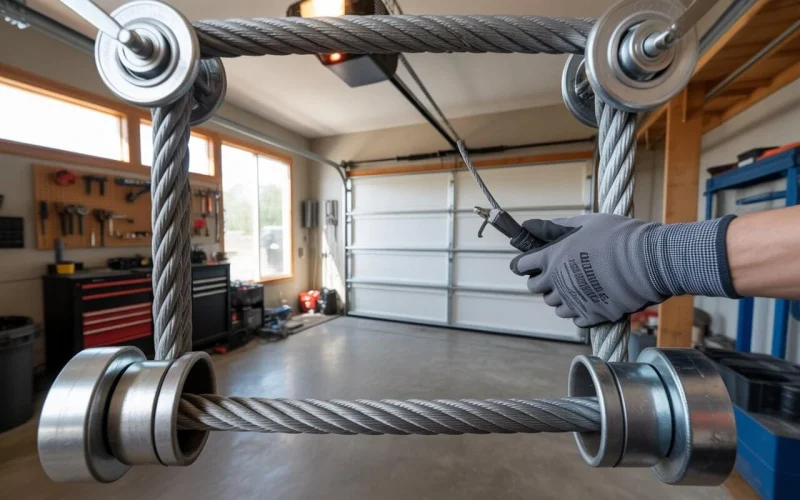
Your garage door cables work in tandem with springs and pulleys to ensure smooth operation. When a cable wears out or breaks, proper garage door cable repair is essential to prevent the door from becoming unbalanced, which can make it unsafe to operate. These cables bear the full weight of the door, allowing it to open and close safely when maintained correctly.
Key functions of garage door cables include:
- Supporting the weight of the door during opening and closing
- Guiding the door along the tracks
- Ensuring even tension across springs and pulleys
Without properly functioning cables, your garage door could fall abruptly or strain the motor, potentially leading to costly repairs.
Signs You Need Garage Door Cable Repair
Recognizing issues early is essential. Here are common symptoms that indicate your garage door cables need fixing:
- The door opens or closes unevenly
- Visible fraying or broken strands on the cable
- Loud snapping or grinding noises during operation
- Difficulty lifting the door manually
- The door gets stuck or moves jerkily
I always advise homeowners to treat any of these signs as urgent. In my experience, waiting too long often results in panel damage or bent tracks, which drastically increases repair costs.
Common Causes of Cable Failure
Understanding why garage door cables fail can help prevent future issues. Some common causes include:
- Wear and Tear: Cables naturally degrade over time due to constant tension.
- Rust and Corrosion: Moisture can weaken steel cables.
- Improper Maintenance: Lack of lubrication or inspection accelerates wear.
- DIY Missteps: Incorrect spring adjustments or off-balance doors can damage cables.
Even if your door seems to be functioning normally, a small fray could be a ticking time bomb, making timely garage door cable repair crucial to prevent accidents or costly damage.
The Risks of DIY Cable Repair
Attempting a DIY repair can be tempting, but it comes with serious risks. Garage door cables are under high tension, and a misstep can cause injury or even structural damage.
Why professional garage door cable repair is safer:

- Trained technicians understand the exact tension requirements needed for safe and efficient operation.
- Professionals also come equipped with the right tools and safety gear to handle complex repairs without risk.
- They can quickly identify underlying problems such as worn springs, bent tracks, or even issues related to your garage door opener that could affect overall performance.
While routine maintenance is something homeowners can manage, cable replacement or major repairs should always be left to experienced experts for safety and long-term reliability.
Step-by-Step Professional Repair Process
Here’s what a typical professional garage door cable repair involves:
- Inspection: The technician examines cables, springs, and tracks for wear and alignment.
- Safety Prep: The door is secured to prevent sudden movement.
- Cable Removal: Old or broken cables are carefully detached from pulleys and springs.
- New Cable Installation: Replacement cables are installed, tensioned, and aligned correctly.
- Testing: The door is operated several times to ensure smooth movement and proper balance.
- Maintenance Tips: Technicians often lubricate moving parts and recommend routine inspections.
Following this process prevents repeated issues and ensures your garage door functions safely for years.
Garage Door Cable Repair and Maintenance Tips to Extend Cable Life
Regular maintenance is key to avoiding costly repairs. Here are my top tips for keeping garage door cables in optimal condition:
- Inspect cables visually every 3–6 months for fraying or rust
- Lubricate pulleys and moving parts with garage-grade lubricant
- Keep tracks clean and aligned
- Avoid forcing the door manually if it sticks
- Schedule professional inspections annually
These small steps can prevent unexpected failures and extend the lifespan of your garage door system.
Real-Life Case Study: When Timely Repair Saved a Homeowner
Last year, I helped a homeowner in Dallas whose garage door cable snapped while the door was partially open. The door was tilting, putting the car inside at risk, and they needed immediate garage door cable repair from a professional.
What we did:
- Secured the door with clamps to prevent further movement
- Replaced both cables and realigned the pulleys
- Lubricated springs and conducted a safety test
Outcome:
- Door operated smoothly the next day
- Homeowner avoided damage to the car and garage structure
- The client followed up with annual inspections, preventing further incidents
This case highlights why ignoring small cable issues can quickly escalate into serious safety hazards.
Conclusion

Garage door cables may seem like a small component, but they play a critical role in your door’s overall function and safety. Ignoring early warning signs or attempting risky DIY fixes can lead to expensive damage or even serious injury. By spotting issues early, scheduling professional service, and following basic maintenance routines, you can extend the lifespan of your cables and keep your system running smoothly.
Whether you’re learning how to repair a garage door cable safely, understanding the Garage door repair cost, or recognizing the signs that your garage door cables need attention, taking proactive steps is always the smartest approach. A properly maintained garage door not only enhances safety but also helps you avoid unexpected expenses in the long run.
FAQs
Can I replace garage door cable myself?
DIY cable replacement is risky; professional garage door cable repair is safest.
Is it safe to operate a garage door with a broken cable?
No, a broken cable makes the door unsafe and needs immediate repair.
What is the lifespan of a garage door cable?
Cables usually last 7–10 years with proper maintenance and repair.
Will a garage door work without cables?
No, cables are essential for operation and safety.
How to manually open garage door if cable is broken?
Use the emergency release carefully; avoid strain and call for cable repair.

Lena lives and breathes garage doors. She’s the one to turn to when you need insights on keeping your garage secure and functioning smoothly.