A reliable Garage Door Opener is one of the most important parts of any modern garage system. It provides security, convenience, and smooth daily operation for homeowners. Whether you are leaving for work, returning home during bad weather, or protecting valuable belongings, a properly functioning opener makes life easier.
However, like any mechanical device, a Garage Door Opener can develop problems over time. Strange noises, delayed movement, sensor issues, or complete system failure are all signs that your system may need attention. Understanding when to repair or replace your opener can help you avoid expensive breakdowns and maintain the safety of your property.This guide explains common opener issues, maintenance tips, replacement options, and the latest technologies available for homeowners.

Content
Understanding How a Garage Door Opener Works
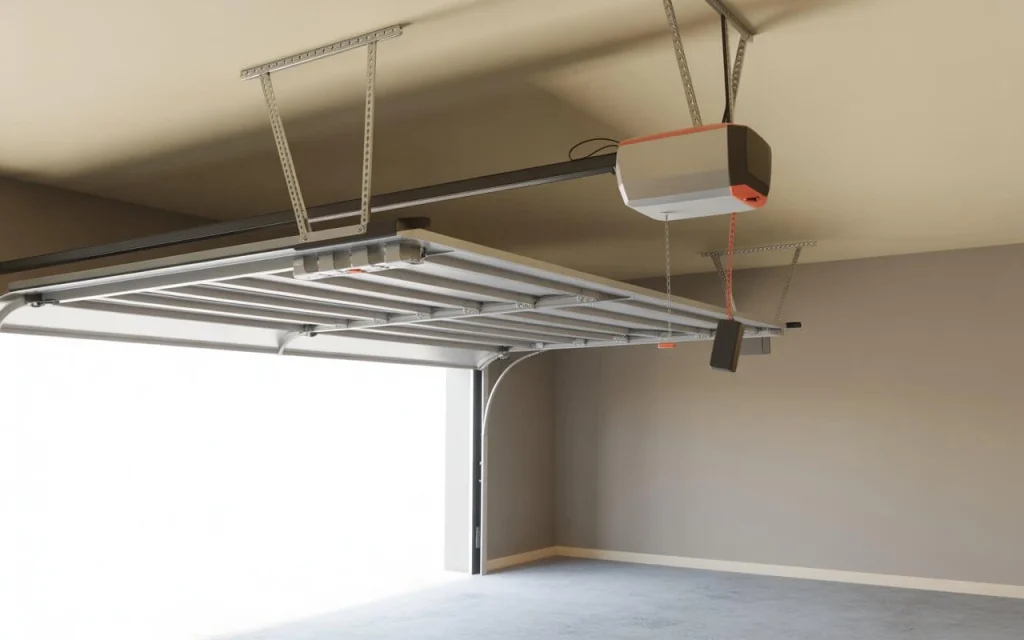
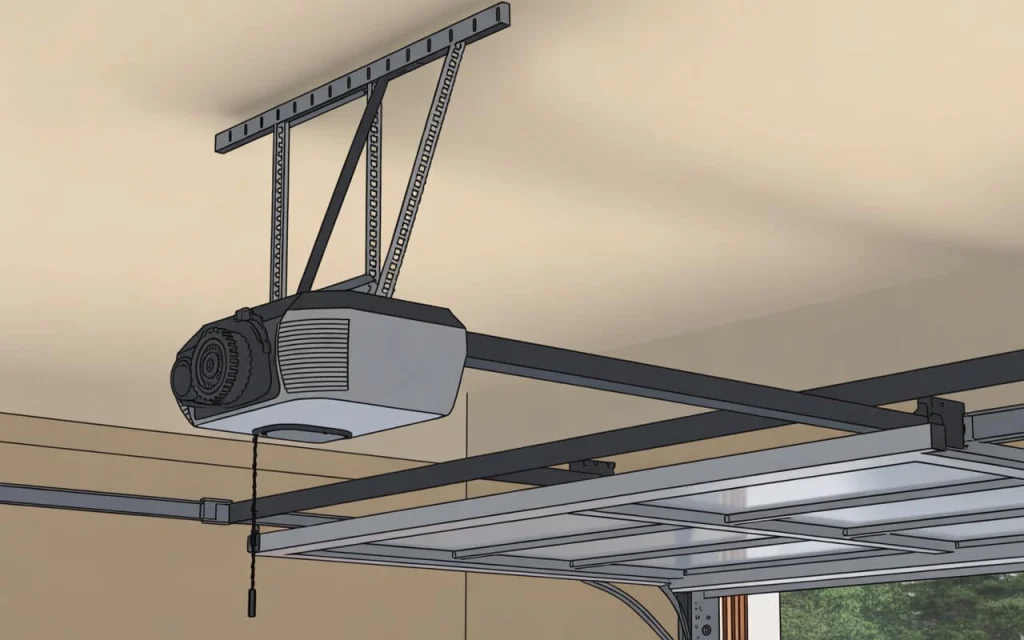
A Garage Door Opener is an electric motorized device designed to open and close garage doors automatically. The system typically includes:
- A motor unit
- Drive mechanism
- Remote controls
- Safety sensors
- Wall-mounted controls
- Torsion or extension spring support
When the opener receives a signal from the remote or wall button, the motor activates and moves the door through the drive system. Modern systems also include safety reversal technology that prevents accidents and injuries.Because the opener handles daily wear and heavy lifting, regular maintenance is necessary to keep the system operating efficiently.
Common Garage Door Opener Problems
Many homeowners experience opener issues at some point. Identifying the source of the problem early can prevent larger repairs later.
Remote Control Not Working
One of the most common issues involves the remote control failing to communicate with the opener. This may happen because of:
- Dead batteries
- Signal interference
- Remote programming issues
- Damaged receiver
Before replacing the opener, test the wall control panel to determine whether the issue is limited to the remote.
Noisy Operation
A loud or vibrating Garage Door Opener may indicate worn components or insufficient lubrication. Grinding, rattling, or squeaking noises often come from:
- Loose hardware
- Worn gears
- Dry rollers
- Aging drive systems
Routine lubrication and tightening hardware can often solve minor noise issues.
Door Reverses Suddenly
If the garage door starts closing and then reverses unexpectedly, the safety sensors may be blocked or misaligned. Dirt, dust, or accidental movement of the sensors can interfere with normal operation.
Slow Response Time
A delayed response after pressing the remote button may point to electrical problems, motor wear, or signal interference. Older systems tend to develop slower operation as components age.
Opener Runs but Door Does Not Move
In some cases, the motor runs normally while the garage door stays in place. This issue may result from:
- Broken drive gears
- Disconnected trolley
- Damaged springs
- Worn chains or belts
Professional inspection is recommended for these repairs because garage door systems involve high-tension components.
Importance of Regular Maintenance
Proper maintenance can significantly extend the lifespan of your Garage Door Opener and reduce repair costs.
Lubricate Moving Parts
Apply garage-door-approved lubricant to:
- Hinges
- Rollers
- Chains
- Springs
- Tracks
Avoid using heavy grease that attracts dirt and debris.
Test Safety Features
Modern openers include auto-reverse systems that stop the door if an obstacle is detected. Test this feature regularly by placing an object under the door to ensure the system reverses correctly.
Tighten Loose Hardware
Daily operation causes vibrations that may loosen bolts, brackets, and screws over time. Inspect and tighten all hardware periodically.
Inspect Weather Seals
Damaged bottom seals allow moisture, dirt, and pests into the garage. Replacing worn weather stripping improves insulation and protection.
When Garage Door Opener Repair Is the Best Option
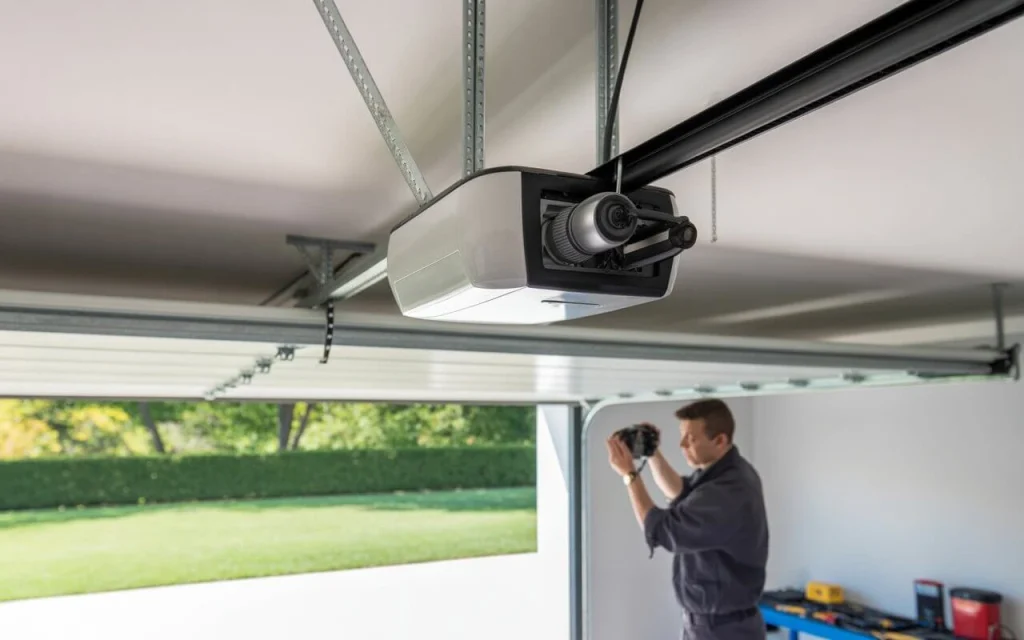
Repairing your opener is often the most affordable solution when the issue is minor or isolated.
Situations That Usually Require Repair
- Sensor misalignment
- Remote programming problems
- Worn gears
- Loose chains
- Minor electrical issues
- Lubrication-related noise
Professional technicians can diagnose these problems quickly and restore smooth operation.Repair is generally recommended if the opener is less than 10 years old and replacement parts are still available.
Signs You Need a Garage Door Opener Replacement
Sometimes repairs become too frequent or expensive, making replacement the smarter long-term investment.
Frequent Breakdowns
If your opener constantly needs repairs, the overall system may be nearing the end of its lifespan.
Outdated Safety Features
Older openers may lack modern safety standards such as rolling-code security technology and automatic reversal systems.
Excessive Noise
Chain-drive systems from older generations are often much louder than modern belt-drive units.
Lack of Smart Features
Many homeowners now prefer smart garage systems that integrate with mobile apps, voice assistants, and home automation systems.
Aging Equipment
Most opener systems last between 10 and 15 years with proper maintenance. Beyond that point, reliability decreases significantly.
Types of Garage Door Openers
Choosing the right opener depends on your garage size, budget, and noise preferences.
Chain-Drive Openers
These are durable and affordable but can be noisy. They are ideal for detached garages where sound is less of a concern.
Belt-Drive Openers
A belt-drive Garage Door Opener operates quietly and smoothly. It is a popular choice for garages attached to living spaces.
Screw-Drive Openers
These systems use a threaded steel rod for movement. They require less maintenance but may struggle in extreme temperatures.
Advanced Garage Access Systems for Modern Homes
Modern smart openers connect to Wi-Fi and allow homeowners to:
- Open or close the garage remotely
- Receive security alerts
- Monitor activity
- Integrate with smart home systems
These advanced features improve both convenience and security.
Benefits of Upgrading Your Garage Door Opener
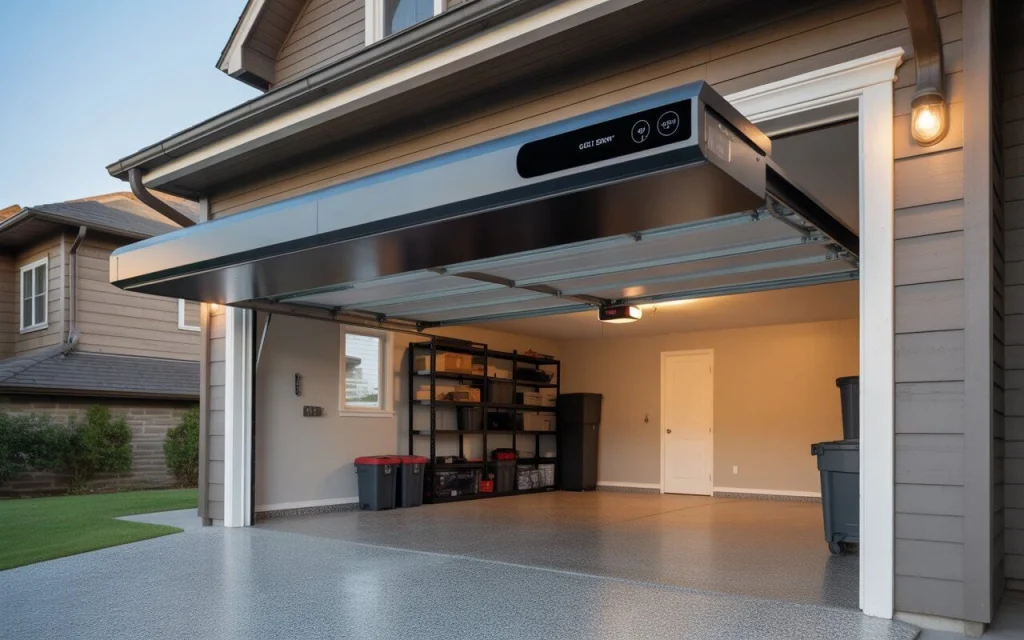
Replacing an outdated opener offers several advantages.
Improved Home Security
New systems use rolling-code technology that changes access codes after every use, reducing the risk of unauthorized entry.
Better Energy Efficiency
Modern motors consume less electricity while delivering stronger performance.
Quieter Operation
Newer belt-drive models operate with minimal vibration and sound.
Enhanced Convenience
Smartphone controls and battery backup systems provide uninterrupted access even during power outages.
Increased Property Value
An upgraded garage system can improve curb appeal and attract potential homebuyers.
Professional Installation Matters
Installing a Garage Door Opener requires technical knowledge and proper adjustment of safety systems. Incorrect installation may lead to:
- Door imbalance
- Sensor malfunction
- Motor damage
- Safety hazards
Professional installers ensure that all components are properly aligned and tested for safe operation.They can also recommend the best opener size and horsepower for your specific garage door.
Garage Door Opener Safety Tips
Garage systems are powerful and should always be handled carefully.
Keep Remotes Away From Children
Children should never play with garage door controls.
Test Auto-Reverse Features Monthly
This helps prevent accidents involving pets, people, or vehicles.
Avoid DIY Spring Repairs
Garage door springs are under extreme tension and can cause serious injury if mishandled.
Schedule Annual Inspections
Professional inspections help identify worn components before they fail unexpectedly.
Final Thoughts
A dependable Garage Door Opener is essential for everyday convenience, security, and smooth garage operation. Whether you need a simple repair or a complete replacement, understanding the warning signs can help you make informed decisions and avoid costly emergencies or unexpected Garage Door Repair Cost expenses.
Routine maintenance, timely repairs, and professional installation all contribute to extending the life of your garage system. Upgrading to a modern opener can also improve energy efficiency, reduce noise, and provide advanced smart technology features while helping reduce future Garage Door Repair Cost concerns.
If your opener is showing signs of wear, acting inconsistently, or lacking modern safety features, now may be the ideal time to invest in a reliable solution that keeps your garage operating safely and efficiently.
FAQs
How long does a garage door opener typically last in Midlothian?
Garage door openers can last anywhere from 10 to 15 years, but their lifespan depends on usage, maintenance, and the quality of the opener. Regular maintenance can extend their life, but eventually, replacement becomes the most cost-effective solution.
What are the benefits of a smart garage door opener?
Smart garage door openers offer the convenience of remote operation via a smartphone app, enhanced security features, and the ability to monitor and control your garage door from anywhere. They are an excellent choice for homeowners seeking added convenience and security.
Can I use my phone as a garage door remote?
Yes, many modern systems allow smartphone control through WiFi-connected garage apps and smart home integration.
Can an iPhone open a garage door?
Yes, an iPhone can control compatible garage systems using smart garage apps or Apple HomeKit integration.
How to open a garage door without a remote?
Use the wall switch, keypad entry, or emergency release cord to manually open the garage door safely.

Meet Rodney, our garage guru. With a wrench in one hand and a can-do attitude in the other, he’s your go-to expert for all things repair and replacement.