Everything You Need to Know About Garage Door Roller Maintenance and Replacement
Lena Janssen
Your garage door is one of the most used parts of your home, but most homeowners don’t think about the small components that keep it running smoothly—especially the garage door rollers. These unsung heroes allow your garage door to glide up and down effortlessly. Ignoring garage door roller maintenance or delaying their replacement can lead to noisy operation, uneven movement, or even a complete garage door malfunction. In this guide, we’ll explore everything from the types of garage door rollers to essential maintenance tips and step-by-step replacement advice, based on my experience as a garage repair doors expert.
Content
Why Your Garage Door Roller Is Key to Smooth Operation
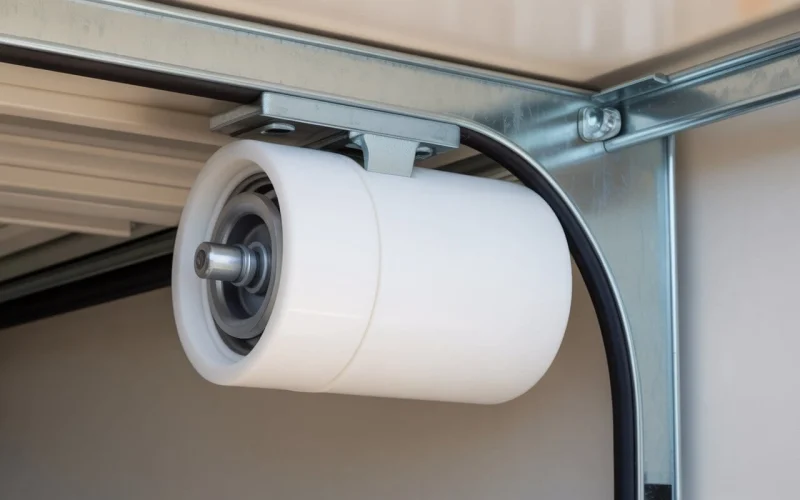
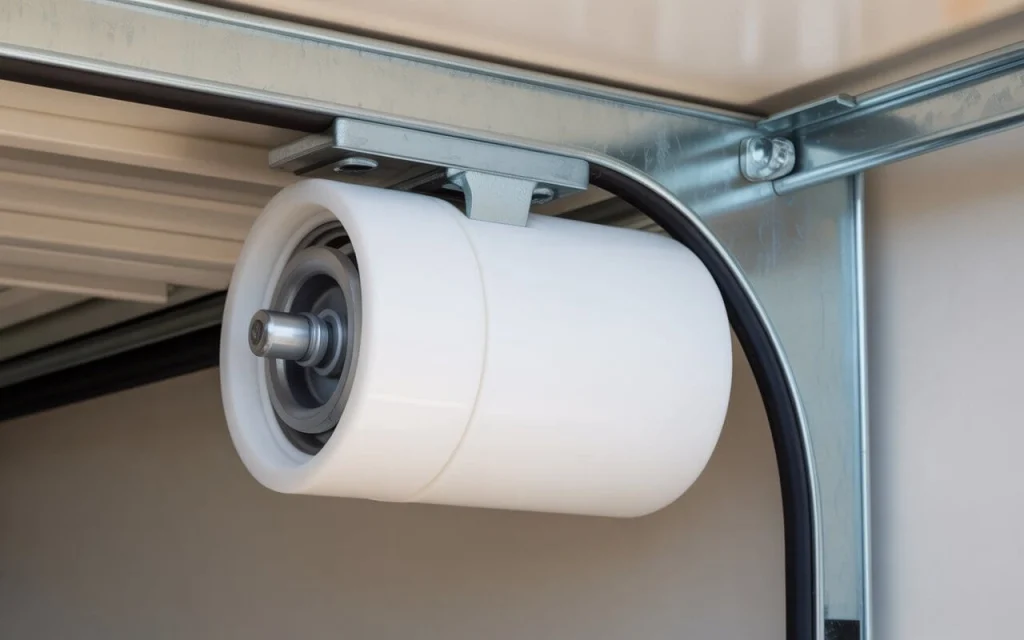
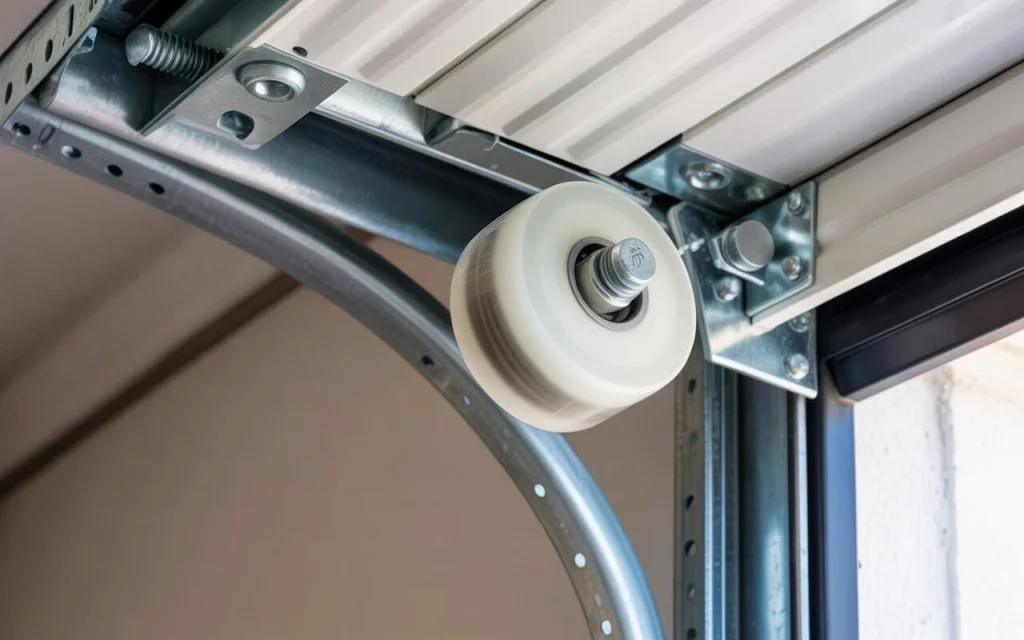
At first glance, rollers might seem like minor parts, but a garage door roller plays a critical role in your door’s performance. These small wheels run along the tracks, allowing smooth vertical movement while reducing noise and minimizing wear on other components, such as springs and tracks. In my years of fixing garage doors, I’ve seen cases where ignoring worn rollers led to significant damage to both the door and track, resulting in much higher repair costs than if maintenance had been performed on time.
Signs It’s Time to Replace Your Garage Door Roller
It’s not always obvious when rollers are failing. Here are some common signs to watch for:
Noisy operation: Squeaking, grinding, or rattling sounds when opening or closing the door.
Door moves unevenly: If one side lags behind or jerks, worn rollers may be the culprit.
Visible wear and tear: Cracked, chipped, or bent rollers.
Sticking or slow movement: A door that doesn’t glide smoothly along the track.
A real-life example: Mrs. Ahmed, a homeowner in Raleigh, noticed her garage door making loud clunking noises every morning. Upon inspection, I found the nylon rollers were cracked and the steel bearings inside had worn out. After replacing the rollers, her door moved silently and evenly again. This shows how timely roller replacement prevents more serious problems.
Step-by-Step Guide to Garage Door Roller Maintenance
Regular maintenance of your garage door rollers can extend their lifespan significantly. Here’s a step-by-step approach:
Inspecting Rollers for Wear and Damage
Use a flashlight to check each roller carefully.
Look for chips, cracks, or flat spots, especially on nylon rollers.
Spin each roller manually to ensure it rotates freely.
Cleaning and Lubricating Your Garage Door Rollers
Remove dirt, dust, or debris from the tracks.
Apply a silicone-based lubricant to the roller bearings; avoid using WD-40 as it can attract more dirt.
Move the door up and down several times to distribute the lubricant evenly.
When to Replace Rollers
If rollers are worn, cracked, or produce excessive noise, replacement is necessary.
Replacing them every 5–7 years is a good rule of thumb, but areas with high humidity or heavy garage door usage may need more frequent replacement.
Choosing the Right Garage Door Rollers for Replacement
Selecting the correct garage door roller is critical for smooth operation and long-lasting durability. Here are the most common options:
Types of Garage Door Rollers
Plastic Rollers: Affordable but wear out quickly and are noisier.
Steel Rollers: Durable but can be loud. Best for heavy doors.
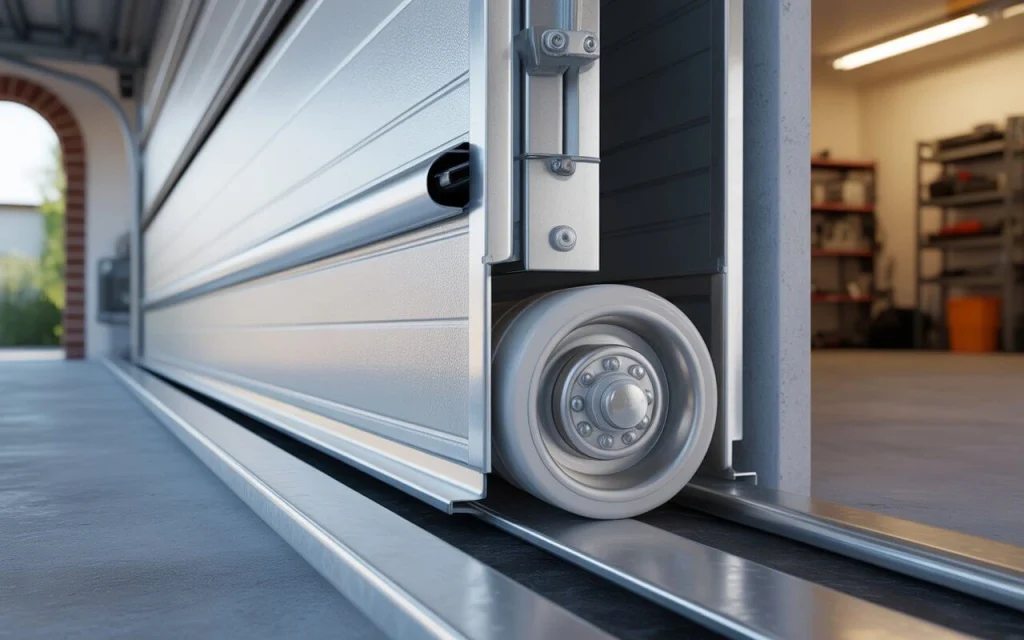
Nylon Rollers: Quieter, smoother, and resistant to rust. Ideal for residential doors.
Teflon-Coated Rollers: High-end option with ultra-smooth performance and low noise.
Roller Materials: Nylon vs. Steel
In my experience, a garage door roller made of nylon with steel ball bearings offers the best balance for most homes. These rollers reduce noise, last longer, and protect the tracks, while steel rollers are better suited for commercial doors or extremely heavy residential doors.
DIY vs. Professional Garage Door Roller Replacement
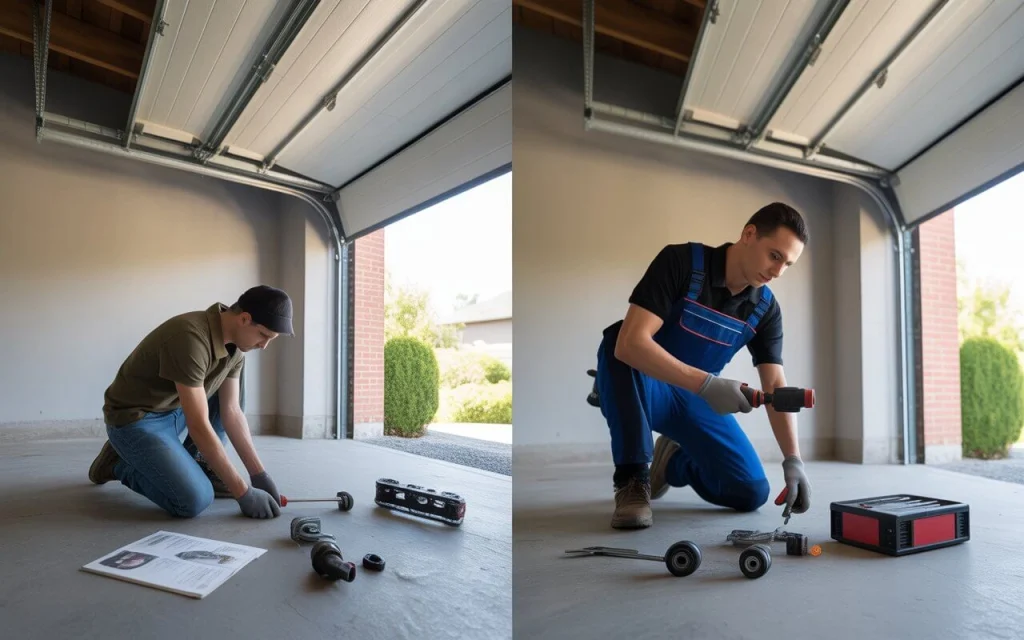
While some homeowners attempt DIY replacement, there are pros and cons to consider.
Tools You’ll Need for DIY
Adjustable wrench and socket set
Screwdrivers
Clamps to hold the door in place
Safety gloves and glasses
Hiring a Professional: Pros and Cons
Pros: Safety guaranteed, faster replacement, expert inspection for other issues.
Cons: Higher upfront cost.
A case study from my practice: Mr. James, a homeowner in Charlotte, attempted to replace his garage door roller himself. He accidentally misaligned the tracks, causing uneven movement. After calling me, I not only fixed the alignment but also upgraded to nylon rollers with ball bearings, ensuring smoother and quieter operation. This highlights the advantage of professional assistance, especially for first-timers.
Common Garage Door Roller Problems and How to Fix Them
Even after replacement, rollers can develop issues if not properly maintained:
Noisy Rollers: Apply lubricant regularly and ensure they are tight in the brackets.
Sticking Rollers: Clean the tracks and check for bent or misaligned rollers.
Rapid Wear: Check door balance and alignment; misalignment stresses rollers.
How to Extend the Lifespan of Your Garage Door Hardware
Clean and lubricate every 6 months.
Avoid using harsh chemicals that damage roller material.
Inspect rollers whenever you check garage door springs or tracks.
Choose high-quality rollers like nylon or teflon-coated rollers for residential doors.
Real-Life Case Study: Smooth Operation Restored
Mrs. Ahmed’s situation illustrates a common scenario. Her garage door rollers were old, noisy, and cracked. After replacing them with nylon rollers with steel ball bearings and lubricating the tracks, her door not only became quieter but also lasted longer without any maintenance issues. Regular checks and proper lubrication will ensure you avoid her previous headaches.
Conclusion
Garage door rollers may be small, but their impact on your door’s performance is huge. From smooth operation and reduced noise to a longer system lifespan, regular maintenance and timely replacement of each garage door roller are essential—especially if you have a modern black garage door, where quiet, seamless movement enhances the overall look.
Whether you choose a DIY approach or hire a professional, understanding roller types, maintenance needs, and early signs of wear can save you money and frustration over time. Investing in high-quality rollers and keeping them well maintained ensures your garage door stays reliable, quiet, and smoothly operating for years to come.
FAQs
Q1: Are door rollers a standard size?
Most rollers come in standard sizes, but measuring the existing one before replacement is always recommended.
Q2: How much do replacement rollers cost?
Replacement rollers usually range from $5 to $25 per piece, depending on material and build quality.
Q3: Is replacing worn rollers worth it?
Yes, replacing worn rollers improves smooth movement, lowers noise levels, and helps extend the overall lifespan of the door system.
Q4: Which roller type is best for home use?
Nylon rollers with steel ball bearings are quiet, long-lasting, and well-suited for most residential setups.
Q5: Can rollers be replaced without professional help?
DIY replacement is possible, but hiring a professional ensures proper alignment and reduces safety risks.