Garage Door Insulation: Benefits, Types, Costs, and How It Improves Energy Efficiency
Lena Janssen
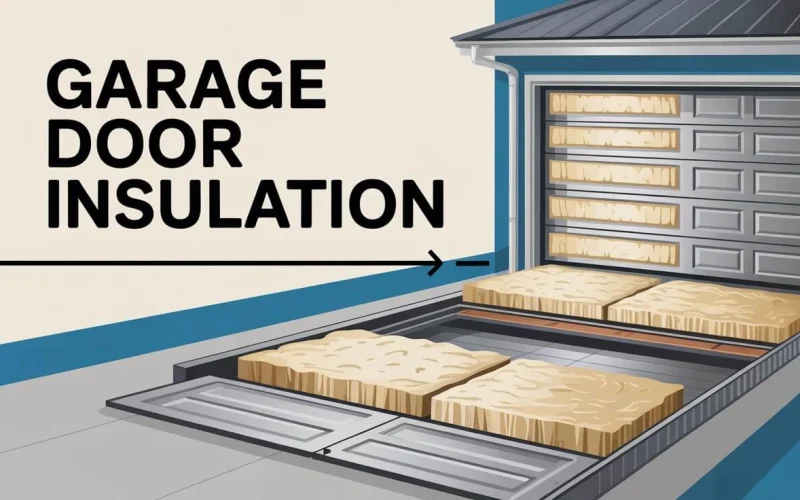
If you’ve ever stepped into your garage during the dead of winter or the peak of summer, you know how uncomfortable it can get. As someone who has spent over a decade fixing garage doors and advising homeowners, I’ve seen firsthand how garage door insulation can transform not only comfort but also your energy bills. In this guide, I’ll break down everything you need to know about garage door insulation, including types, benefits, costs, and real-life experiences from homeowners who upgraded their garages.
Content
Understanding Garage Door Insulation
Many homeowners underestimate the role of garage door insulation. Beyond keeping your car and tools safe, garage door insulation helps regulate the temperature inside the garage, reduces energy costs, and even prolongs the life of your garage door.
Why Insulation Matters
Your garage door is often the largest single surface exposed to the elements. Without insulation, heat escapes during winter, and cool air seeps out during summer. This can make your garage uncomfortable and raise your energy bills significantly, especially if your garage is attached to your home. Installing insulated garage doors can create a more consistent temperature and reduce energy consumption.
Common Types of Garage Door Insulation
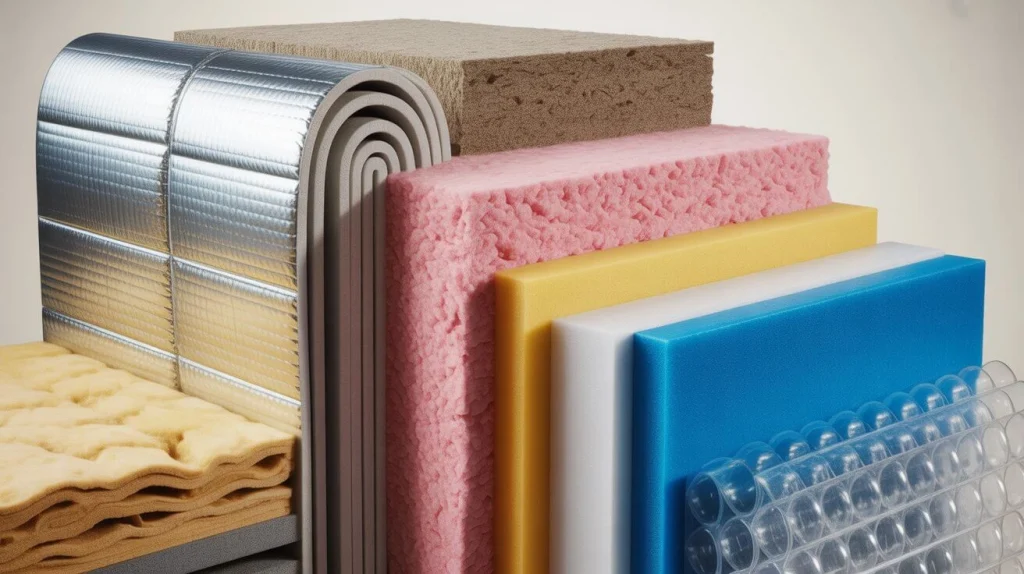
There are several options to insulate your garage door, each with its own advantages:
Foam Board Insulation
Lightweight and easy to install, foam board panels offer good thermal resistance. They are perfect for DIY projects and small garages.
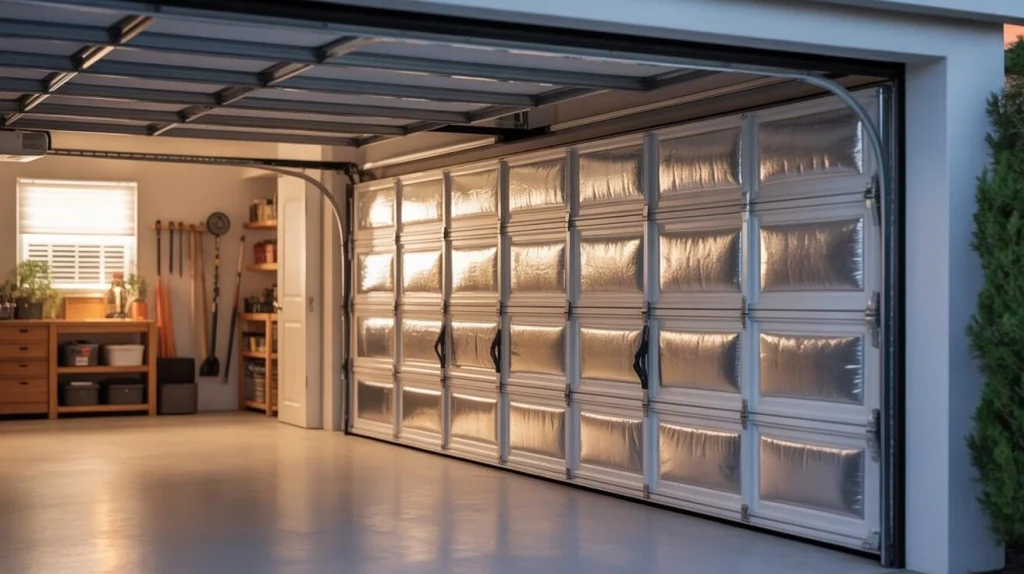
Reflective Foil Insulation
Designed to reflect radiant heat, this insulation is best for hot climates. It’s often installed on the interior side of the garage door and works well in combination with other insulation types.
Fiberglass Batt Insulation
One of the most common solutions, fiberglass batts are effective at trapping air and maintaining temperature. They require careful handling due to fiberglass particles but provide excellent insulation.
Spray Foam Insulation
A professional-grade solution, spray foam seals every gap, offering the highest R-value. It’s ideal for homeowners seeking maximum energy efficiency.
Benefits of Insulating Your Garage Door
Upgrading your garage door with insulation has multiple advantages, from comfort to cost savings.
1. Energy Efficiency
Proper insulation reduces heat loss and gain, helping maintain a consistent temperature in your garage. If your garage is attached to your house, it can even help regulate indoor temperatures. This directly translates to lower heating and cooling bills throughout the year.
2. Increased Comfort
Whether you use your garage as a workshop, gym, or storage space, insulation keeps the environment more comfortable. DIY garage insulation can make working on home projects much more enjoyable during extreme weather.
3. Noise Reduction
Insulated doors absorb sound better than non-insulated doors. This is especially beneficial if your garage is near bedrooms or living areas. You can now run your tools or exercise equipment without disturbing the whole house.
4. Longer Door Lifespan
By stabilizing temperature and reducing exposure to extreme weather, insulation protects the door panels from warping and cracking, extending the life of your investment.
How to Choose the Right Garage Door Insulation
When deciding on insulation, there are a few critical factors to consider:
Understand Your Garage Door Material
The type of door you have (steel, aluminum, wood, or composite) determines what insulation will fit best. For example, steel doors work well with foam board, while wood doors might require custom fiberglass panels.
Climate and R-Value
The R-value measures the insulation’s thermal resistance. Cold climates benefit from higher R-values, whereas moderate climates may only need minimal insulation.
DIY vs. Professional Installation
Simple foam or reflective insulation can be installed by homeowners, but spray foam or specialized panels usually require professional installation. Choosing the right option depends on your comfort level, budget, and desired results.
Step-by-Step Guide: How to Insulate Your Garage Door
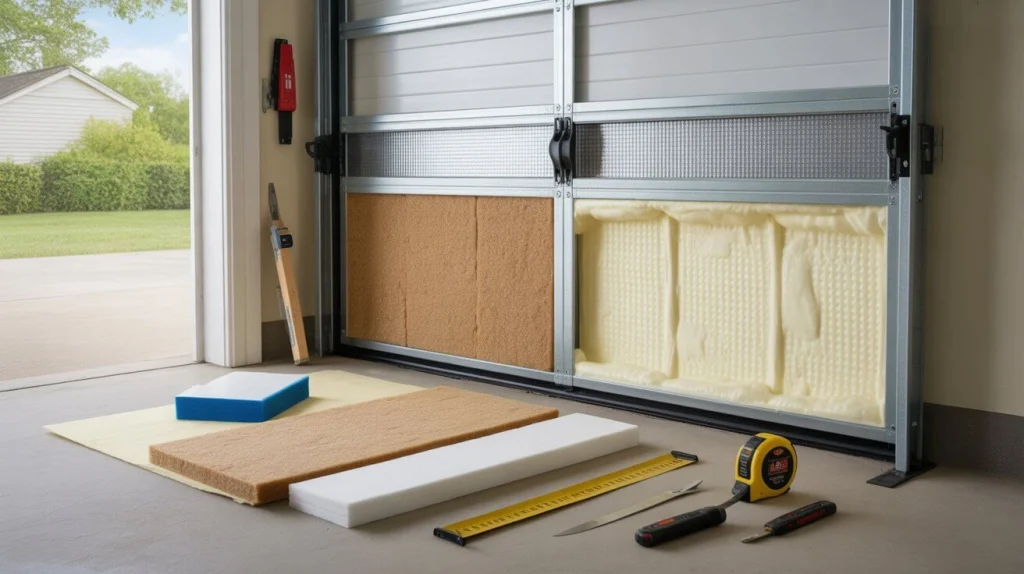
If you’re considering a DIY garage door insulation project, here’s a practical step-by-step approach:
Preparation Phase
Clean the garage door thoroughly to ensure adhesion.
Measure each panel accurately to cut insulation to size.
Installation Phase
Apply adhesive or tape to fix panels in place.
Fit insulation snugly to prevent air gaps.
For reflective or spray foam, follow manufacturer instructions carefully.
Final Checklist
Check for gaps around edges and corners.
Test the door operation to ensure insulation doesn’t interfere with movement.
Consider sealing the garage perimeter for maximum efficiency.
Real-Life Case Study: The Martinez Family
The Martinez family in Phoenix upgraded their garage door with fiberglass batt insulation last year. Their garage doubles as a home workshop, and during summer, temperatures often soared above 110°F.After insulation, they reported:
A noticeable drop in indoor and garage temperature (around 15°F cooler)
Reduction in AC bills by 12%
Less noise from their busy street during evening projects
“The difference was immediate,” says Maria Martinez. “Our garage feels like an actual room now, not just a hot storage space.”
Conclusion: Is Garage Door Insulation Worth It?
If your garage is uninsulated, adding insulation can be a game-changer. From energy savings and comfort to noise reduction and door longevity, the benefits are tangible. Whether you’re a DIY enthusiast or prefer professional installation, upgrading your garage door insulation is a smart investment. Additionally, if you’re considering a garage door opener replacement, combining it with insulation upgrades can enhance overall efficiency, improve performance, and extend the life of your garage system. For those looking for expert guidance or installation, reach out to trusted garage repair professionals to ensure proper fit and maximum efficiency.
FAQs
What is the best insulation for a garage door?
The best garage door insulation depends on your needs: foam board, fiberglass batt, reflective foil, or spray foam for max efficiency.
How best to insulate a garage door?
Measure each panel, choose the right insulation type, and fit panels snugly. DIY works for foam or reflective types; spray foam may need pros.
What is the R-value for a garage door?
Garage door insulation R-values vary from 2 to 17. Higher R-value offers better thermal resistance, ideal for extreme climates.
Do I need an air gap with garage door insulation?
Yes, leaving a small air gap can improve garage door insulation efficiency by allowing airflow and preventing moisture buildup.