A garage door may look simple from the outside, but inside it’s a carefully balanced system. One of the most important parts of that system is the torsion spring garage door mechanism. Over the years working with garage door repairs, I’ve seen how this single component can decide whether a door feels smooth and effortless—or becomes completely stuck overnight.
If you’ve ever heard a loud “bang” from your garage and suddenly found the door too heavy to lift, chances are high that the torsion spring system is involved. Let’s break it down in a simple, practical way so you understand exactly how it works and how to keep it running safely.
Content
How a Torsion Spring Garage Door System Actually Works
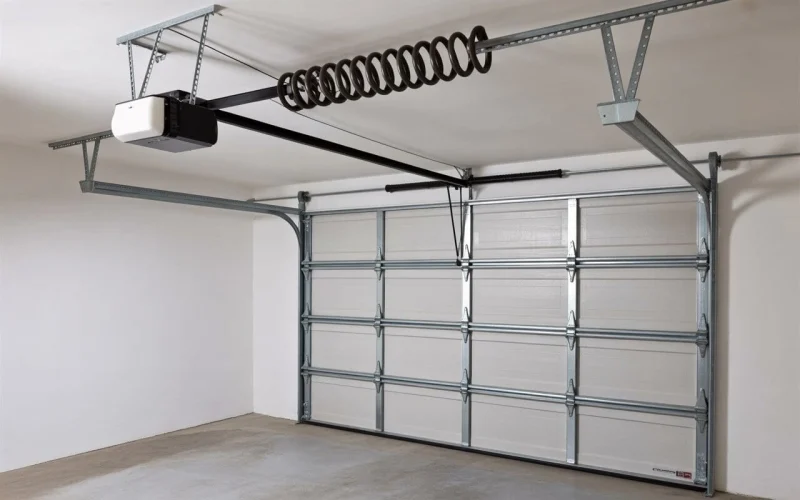
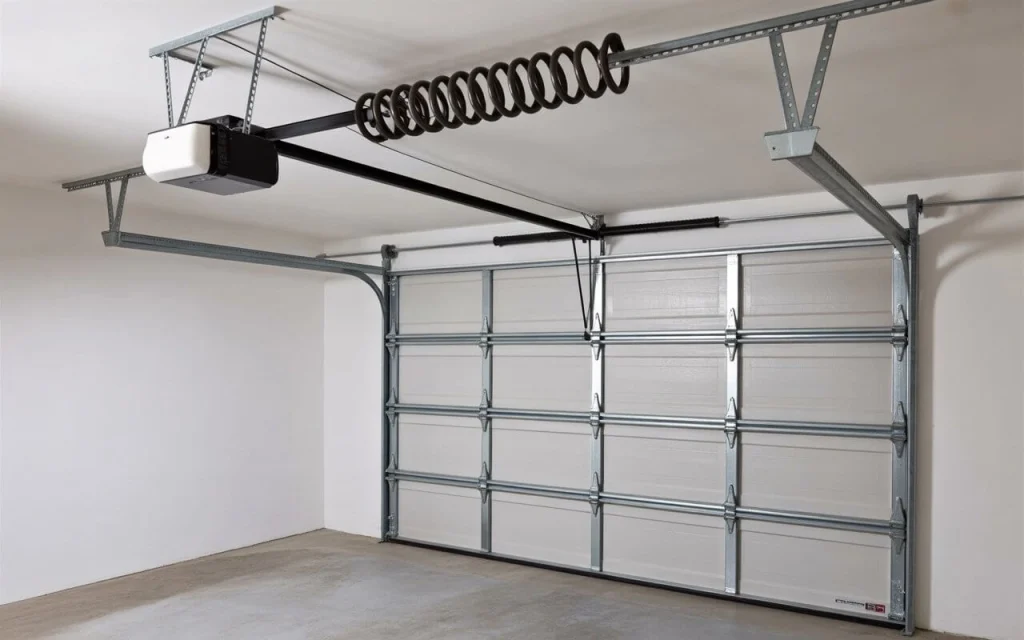
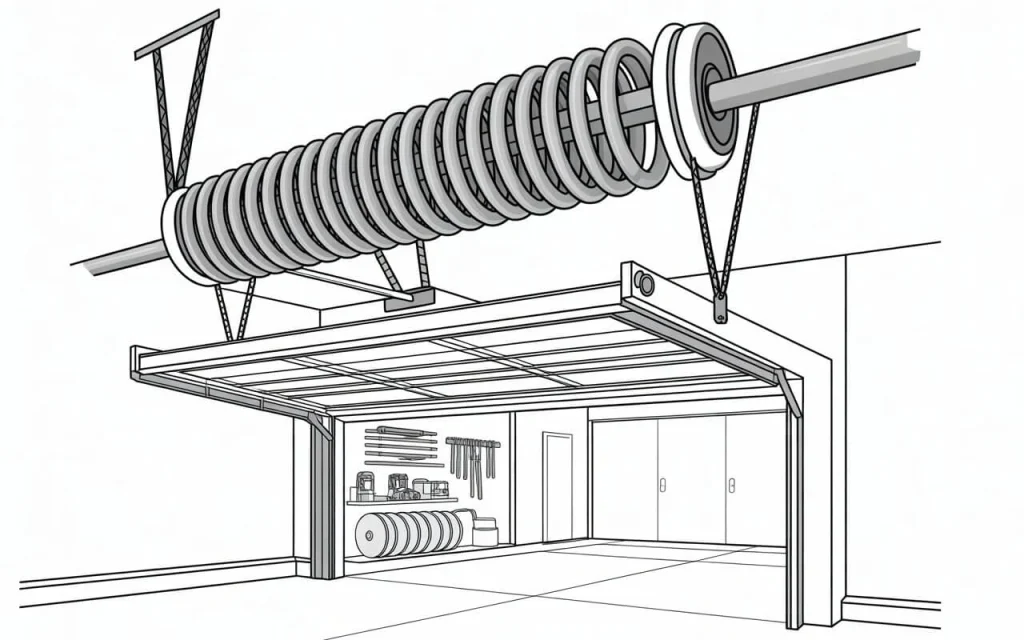
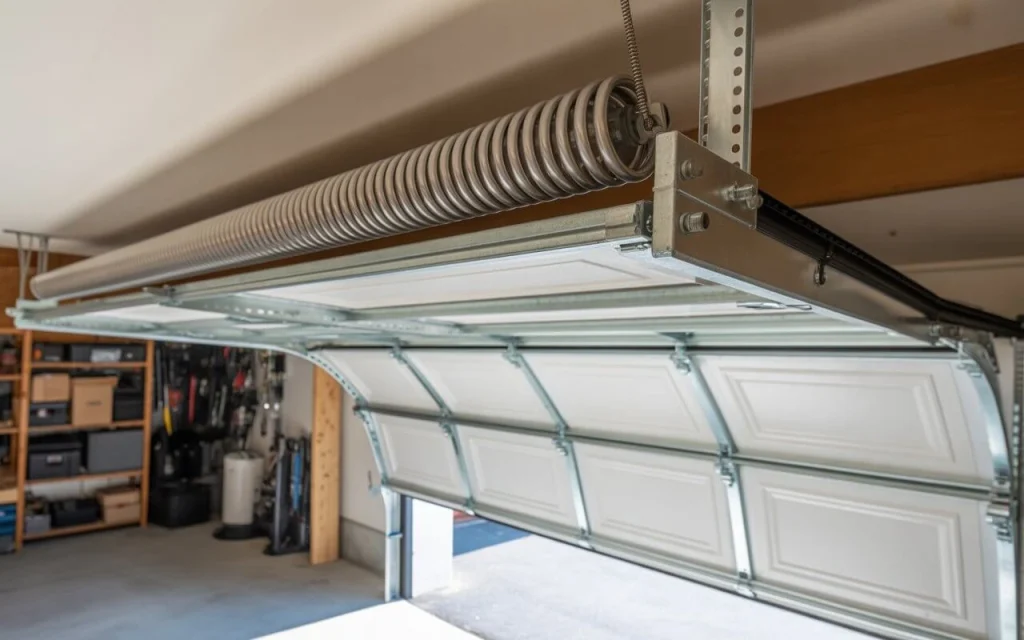
A torsion spring garage door system uses tightly wound steel springs mounted above the door opening. These springs store mechanical energy when twisted, then release that energy to lift and lower the door smoothly.
Here’s the basic working flow:
- When the door is closed, the springs are tightly wound
- As the door opens, the springs unwind and release stored energy
- That energy counterbalances the heavy weight of the door
- The opener motor only guides movement—it doesn’t carry full weight
This is where many homeowners get confused. The motor is not lifting the full door weight. Instead, the garage door lifting mechanism is primarily handled by the spring system.Without this balance system, even a lightweight door would feel extremely heavy.
Key Components of a Torsion Spring Garage Door System
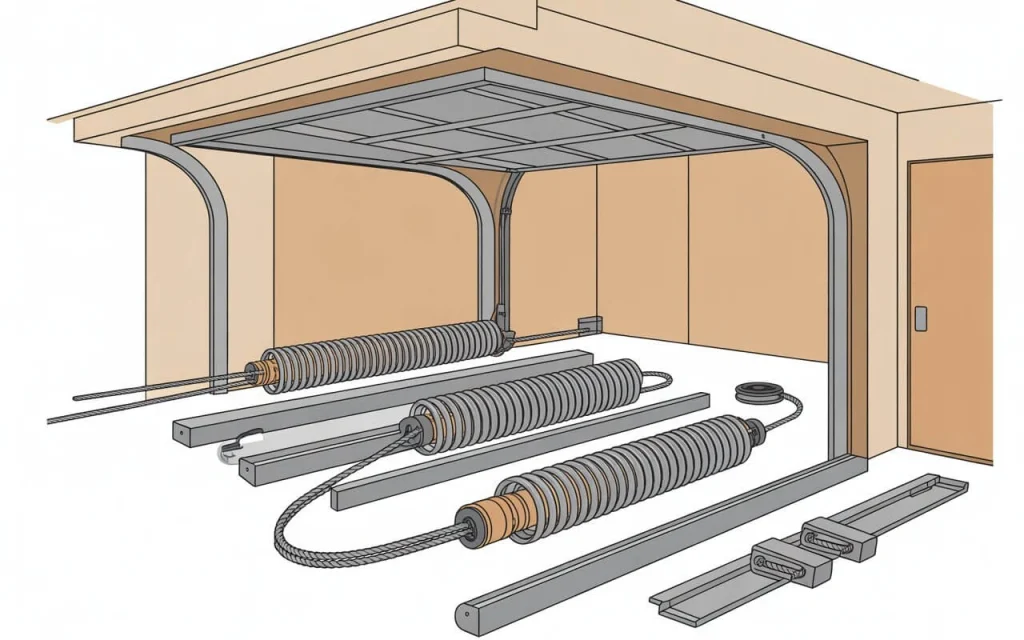
To understand the system better, it helps to know the main parts involved in a torsion spring garage door system:
1. Torsion Springs
The core component that stores and releases energy.
2. Shaft (Bar)
Holds the springs in place and rotates them during operation.
3. Cable Drums
Help lift the door evenly using steel cables.
4. Lift Cables
Connect the bottom of the door to the drum system.
5. Bearings and Brackets
Support smooth rotation and reduce friction. Together, these parts form a balanced garage door torsion system that ensures controlled movement and safety.
Torsion Spring Garage Door vs Extension Spring System
One of the most common questions homeowners ask is how torsion systems differ from extension springs.
Torsion Spring System:
- Mounted above the door
- Uses rotational force
- More durable and balanced
- Safer in case of failure
Extension Spring System:
- Installed on both sides of the door
- Uses stretching force
- Less balanced movement
- Can be more dangerous if it breaks
In most modern homes, torsion systems are preferred because they provide better control and longer lifespan.
Signs of a Broken Torsion Spring Garage Door
A failing spring system usually shows warning signs before complete failure. Based on field experience, here are the most common indicators:
- Door suddenly feels extremely heavy
- Loud snapping or banging sound from garage
- Door opens only a few inches then stops
- Uneven movement while lifting
- Gaps visible in the spring coil
These are classic signs of a broken garage door spring. When this happens, forcing the door open can damage the motor or cables.
Real-Life Case Study: A Common Homeowner Mistake
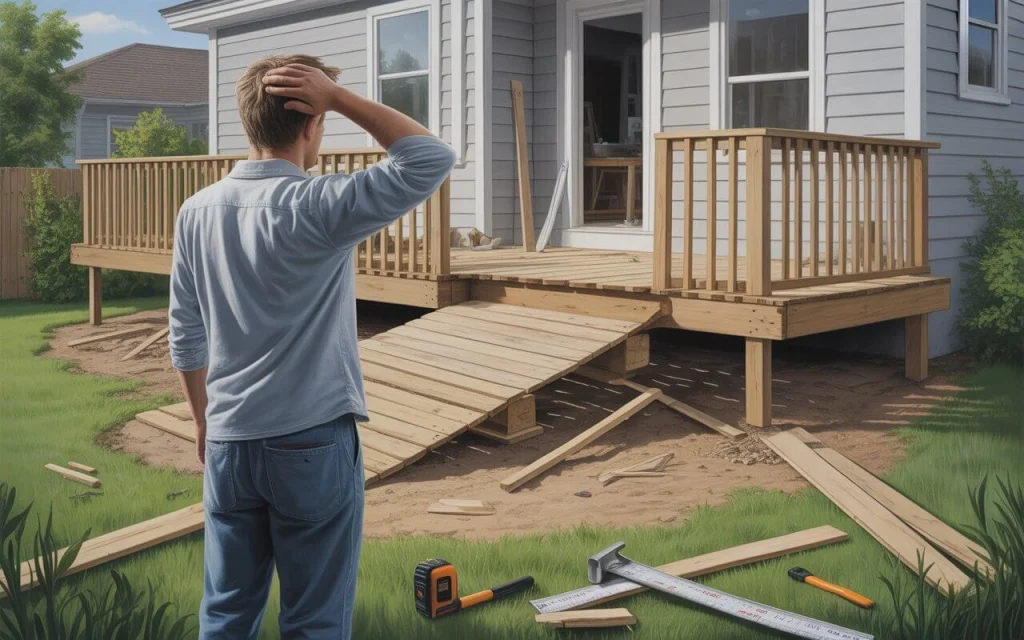
A recent repair job I handled involved a homeowner who tried to force open his torsion spring garage door after it stopped working suddenly. He assumed it was a motor issue.
What actually happened:
- The torsion spring had snapped overnight
- The door lost its balance support
- The motor was under extreme strain
By continuing to press the opener, he burned out the motor and damaged the cables.
Final repair included:
- Replacing the torsion spring
- Repairing cable alignment
- Installing a higher cycle spring system
Total repair cost became almost double what it would have been if the issue was identified early. This is why understanding the system matters—it saves both time and money.
How to Replace Torsion Spring on Garage Door Safely
Replacing springs is not a beginner-level DIY task. The tension stored in a torsion spring is extremely high and can cause serious injury if handled incorrectly.
Professional repair usually involves:
- Measuring door weight and spring size
- Releasing stored tension using winding bars
- Removing old springs carefully
- Installing matched replacement springs
- Rebalancing the door system
Because of the risk involved, most technicians strongly advise hiring professionals for this job.
Cost to Fix Torsion Spring Garage Door System
The cost can vary depending on several factors:
- Spring size and quality
- Number of cycles (lifespan rating)
- Labor charges
- Door weight and type
On average, homeowners may expect moderate repair costs, but upgrading to a high-cycle spring can increase long-term durability and reduce future repair frequency.
Garage Door Maintenance Tips for Longer Lifespan
A properly maintained system can last years longer. Here are simple maintenance practices I always recommend:
- Lubricate springs and moving parts every few months
- Inspect cables for wear or fraying
- Avoid unnecessary opening/closing cycles
- Check door balance manually twice a year
- Keep tracks clean and aligned
These small steps help maintain the garage door balance system and prevent early spring failure.
Why Torsion Spring Systems Are So Important
The garage door torsion system is not just a mechanical part—it’s the core of safe and smooth operation. Without it, the opener would carry stress it was never designed for.
A properly functioning system ensures:
- Smooth opening and closing
- Reduced motor strain
- Improved safety
- Longer equipment life
Common Problems with Torsion Spring Garage Door Systems
Even strong systems can face issues over time:
- Spring fatigue from long usage
- Rust buildup reducing flexibility
- Cable misalignment
- Incorrect spring sizing during replacement
These issues often lead to uneven lifting or complete door failure if ignored.
Final Thought
A torsion spring garage door system may seem like a hidden component, but it plays the most critical role in how your garage door performs daily. From balancing heavy weight to ensuring smooth movement, it silently carries the entire load of operation.Understanding how it works, recognizing early warning signs, and following proper maintenance habits can prevent costly repairs and unexpected breakdowns. If there’s one takeaway from my experience in garage door repair cost, it’s this: Small spring issues never stay small for long—fix them early, and you save everything else in the system.
FAQs
Do garage doors require springs to operate safely and smoothly?
Yes. Springs balance the door’s weight, making it easy to open and close without straining the opener or causing safety risks.
What is the main function of springs in a garage door system?
Their main function is to counterbalance the door’s weight and store mechanical energy for smooth lifting and lowering.
Is it safe for a homeowner to replace a torsion spring alone?
No. It is highly dangerous due to extreme tension. Professional repair is strongly recommended.
What is the average lifespan of garage door springs?
Typically 7–12 years, depending on usage cycles, maintenance, and spring quality.
What problems can occur when a garage door spring fails?
The door may become extremely heavy, stop opening, or cause motor strain and cable damage.

Lena lives and breathes garage doors. She’s the one to turn to when you need insights on keeping your garage secure and functioning smoothly.