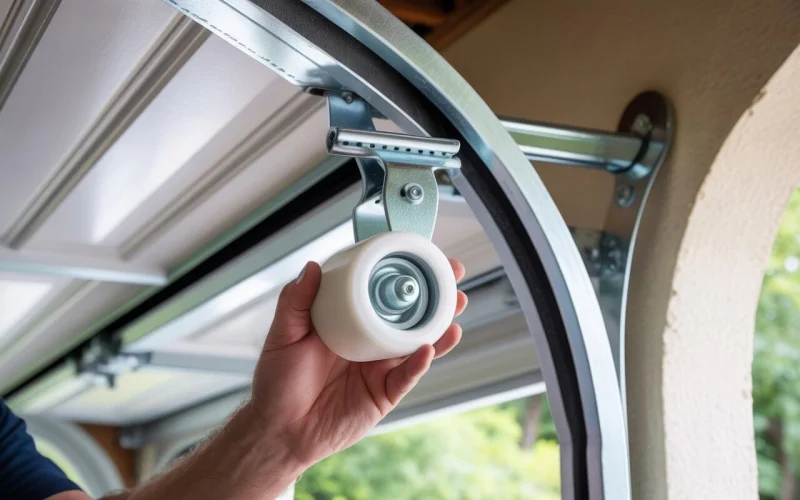
A properly working garage door is something most homeowners don’t think about—until it starts making loud noises, shaking, or getting stuck halfway. In many real-world repair cases, the root cause is often simple: worn-out rollers. Understanding garage door roller replacement can save you from costly repairs and restore smooth door performance quickly.From years of field experience in garage door repair work, I’ve seen that most major issues start with small warning signs that are ignored. This guide explains everything in a practical, easy-to-follow way so you can understand when, why, and how roller replacement becomes necessary.
Content
Garage Door Roller Replacement: Why Rollers Fail Over Time
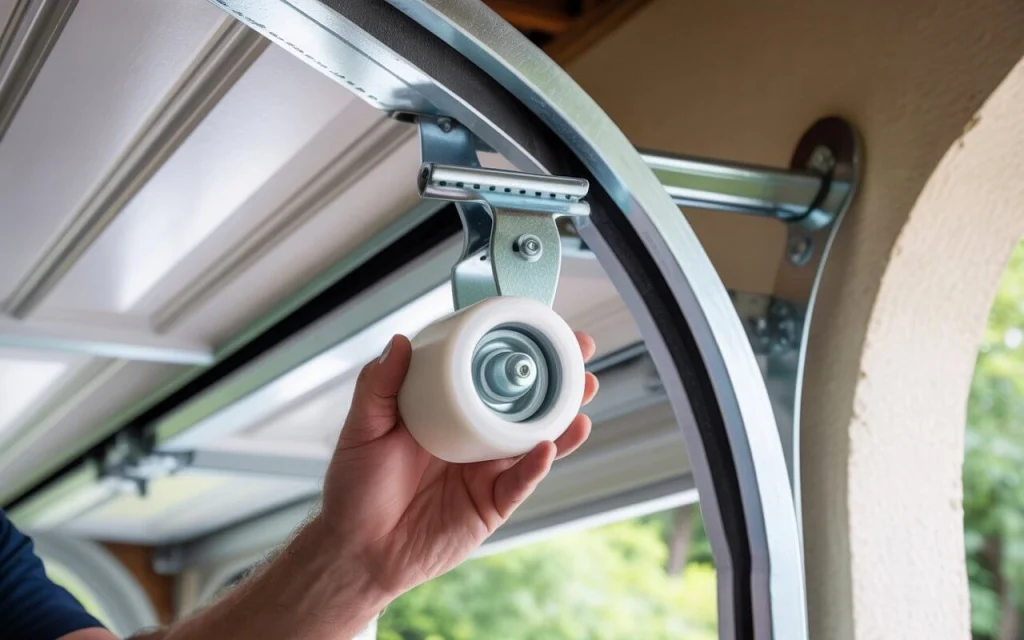
Garage door roller replacement is an important maintenance task because garage door rollers are small components, but they carry a huge responsibility. Every time the door opens or closes, these rollers guide the door along the track system. Over time, constant friction and pressure cause them to wear out.
Some of the most common reasons include:
- Lack of regular lubrication
- Exposure to dust, moisture, and weather changes
- Heavy daily usage
- Old or low-quality rollers
- Misaligned garage door tracks
When these issues continue, the rollers start degrading and affect the entire door system.In many homes, I’ve noticed that homeowners delay maintenance until they hear grinding sounds. By that time, garage door maintenance becomes more expensive than simple preventive care.
Signs You Need Garage Door Roller Replacement
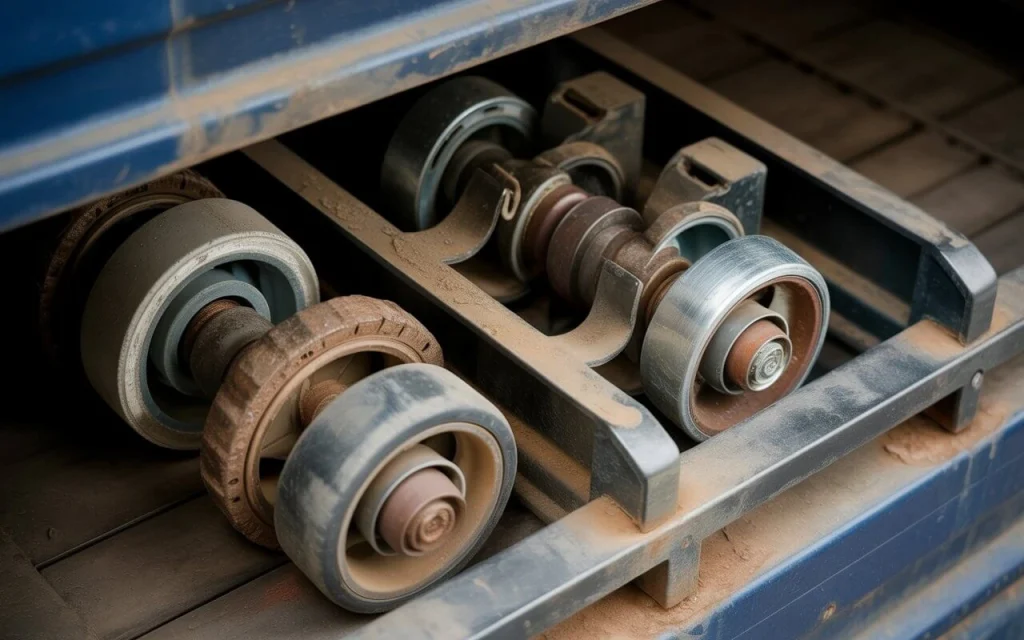
Recognizing early symptoms can prevent serious damage. Here are the most common warning signs I’ve personally observed during service calls:
1. Loud or unusual noise
If your garage door suddenly becomes noisy or produces a grinding sound, it often indicates worn rollers.
2. Jerky or uneven movement
A smooth door should move steadily. If it shakes or moves unevenly, rollers may be damaged.
3. Visible wear and cracks
Inspect the rollers. If you see cracks, chips, or rust, replacement is necessary.
4. Door gets stuck frequently
A stuck or slow-moving door usually signals friction in the roller system.These symptoms clearly indicate that signs you need garage door roller replacement should not be ignored.
Tools and Safety Preparation Before Replacement
Before starting any repair, preparation is key. In professional practice, safety always comes first.
Basic tools required:
- Screwdriver set
- Adjustable wrench
- Pliers
- Ladder
- Safety gloves
- Replacement rollers
Important safety steps:
- Disconnect the garage door opener
- Keep the door fully closed
- Avoid working under spring tension areas
- Wear protective gloves
DIY repair is possible, but safety mistakes can lead to serious injury, especially when handling tension systems.
Step by Step Garage Door Roller Replacement Guide
This is the core process followed in professional garage repair work. If done carefully, it can restore your door’s performance significantly.
Step 1: Secure the garage door
Make sure the door is fully closed and the opener is disconnected.
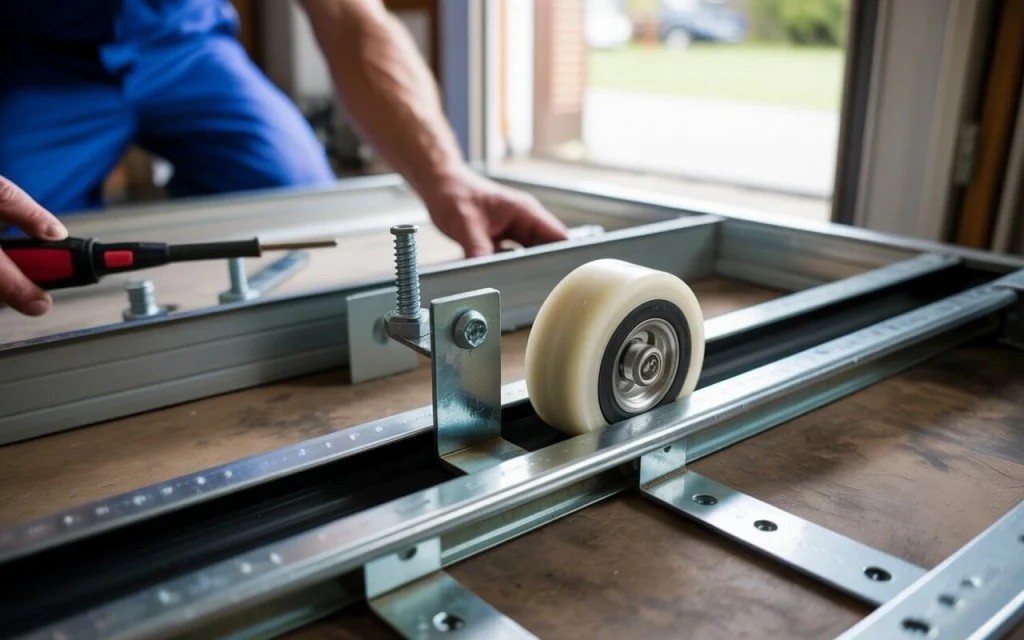
Step 2: Remove the roller brackets
Using a wrench or screwdriver, carefully loosen the brackets holding the rollers.
Step 3: Take out the damaged rollers
Slide the old rollers out of the track gently. Avoid forcing them, as it may damage the track.
Step 4: Insert new rollers
Place the new rollers into the same position. Ensure they fit properly into the track.
Step 5: Reassemble and test
Tighten all brackets and manually test the door movement before reconnecting power.
Following this step by step garage door roller replacement guide ensures smooth operation and reduces future maintenance issues.
DIY vs Professional Service: What’s Better?
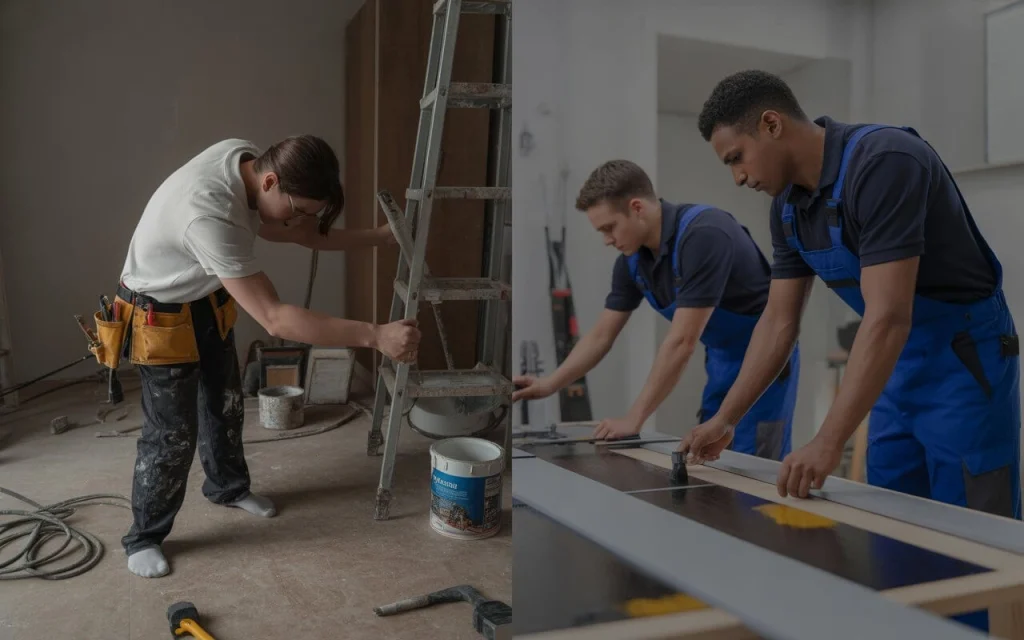
Many homeowners prefer DIY repairs to save money, but it depends on the condition of the door.
DIY is suitable when:
- Only 1–2 rollers are damaged
- Door is lightweight
- No spring system interference
Call a professional when:
- Multiple rollers are broken
- Door is heavy or commercial-grade
- Track alignment is also damaged
- Springs are involved
In my experience, improper DIY work often leads to alignment issues that cost more later.
Real-Life Case Study: A Noisy Door in a Family Home
A few months ago, I was called to a residential home where the owner complained about a loud, shaking garage door. The family assumed the motor was faulty and planned to replace the entire opener system.After inspection, the real issue was much simpler: all the rollers were worn out and partially cracked.We performed a full garage door roller replacement, using nylon rollers for quieter operation. The entire repair took less than two hours.
The results were immediate:
- Noise reduced by almost 90%
- Door movement became smooth
- No need for expensive motor replacement
This case clearly shows how small components can impact the entire system when ignored.
Maintenance Tips After Roller Replacement
Once you complete replacement, proper care helps extend roller life significantly.
Here are some practical tips:
- Lubricate rollers every 3–6 months
- Clean tracks regularly to remove dust
- Inspect rollers during seasonal changes
- Avoid slamming the garage door
- Schedule yearly professional inspection
Simple garage door maintenance habits can increase system life by several years.
Common Mistakes to Avoid
Many homeowners unknowingly make errors during repair:
- Using low-quality rollers
- Ignoring track alignment
- Over-tightening brackets
- Not checking all rollers at once
- Skipping lubrication after installation
These mistakes can shorten the life of even a new system.
Final Thoughts on Garage Door Roller Replacement
Understanding garage door roller replacement is essential for maintaining a safe and smooth-operating garage system. In most cases, early detection and timely replacement can prevent costly repairs and improve daily convenience.From professional experience, I can confidently say that most garage door problems start small—usually with rollers—and grow only when ignored. Whether you choose DIY repair or professional help, the key is timely action and proper maintenance.A well-maintained garage door doesn’t just work better—it also adds safety, comfort, and long-term value to your home.
FAQs
Can you replace garage door rollers yourself?
Yes, DIY garage door roller replacement is possible, but safety risks make professional help a better option for heavy doors.
How much does it cost to replace a garage door roller?
Garage door roller replacement cost usually depends on labor, roller type, and location, averaging a low to moderate repair expense.
Is it worth replacing garage door rollers?
Yes, garage door roller replacement improves smooth operation, reduces noise, and prevents costly future garage door repairs.
How much will a roller garage door cost?
A roller garage door cost varies by material and size, but replacement pricing is different from standard garage door roller replacement.

Lena lives and breathes garage doors. She’s the one to turn to when you need insights on keeping your garage secure and functioning smoothly.