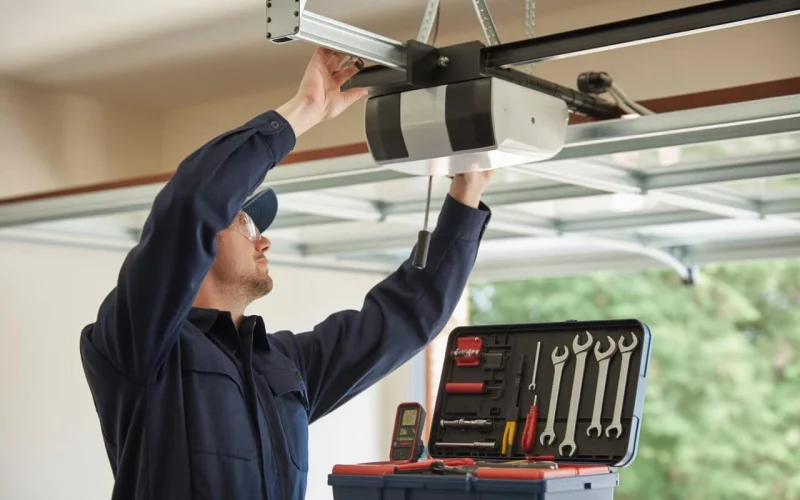
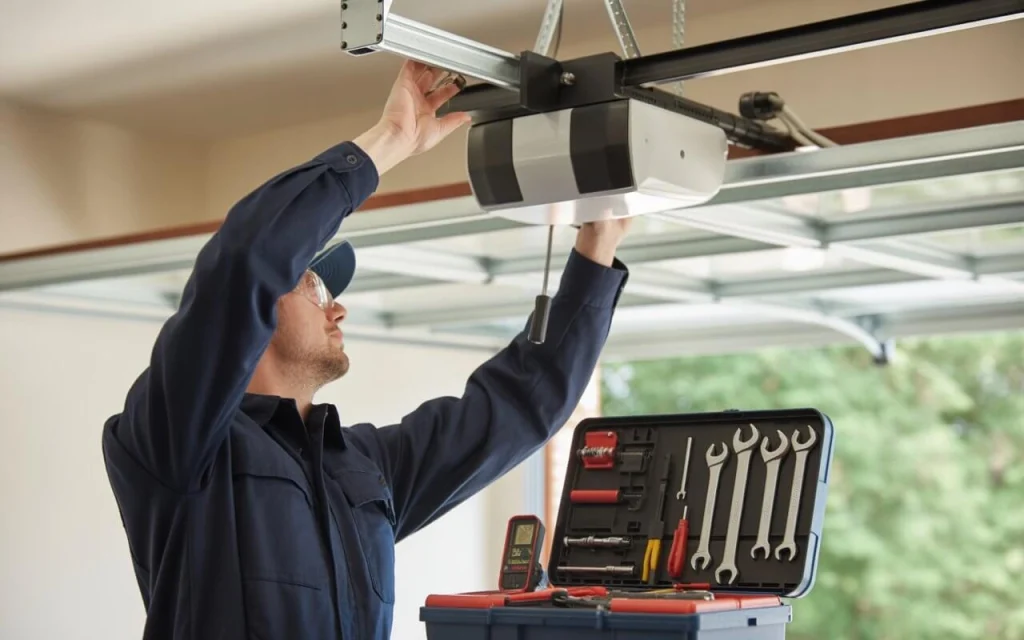
A malfunctioning garage door can quickly turn into a frustrating daily problem, especially when you are rushing to work or returning home late. In most cases, the issue is not a full system failure but something simple that can be solved with proper troubleshooting. Understanding how to Repair garage door opener issues at home can save both time and money if you follow the right steps.
From my experience working with residential garage systems, I’ve seen that nearly 70% of opener problems come from minor electrical faults, sensor misalignment, or lack of maintenance rather than major mechanical damage. Let’s break down the real causes, solutions, and practical fixes in a way that is easy for any homeowner to follow.
Content
Why Garage Door Openers Stop Working Unexpectedly: Common Causes Behind Repair Garage Door Opener Issues
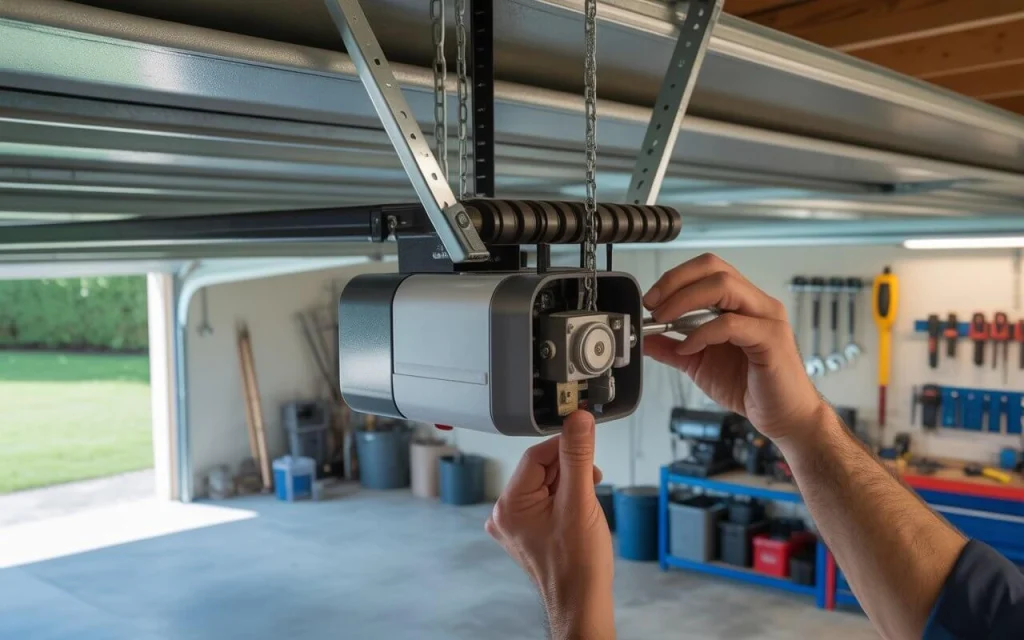
One of the most searched questions by homeowners is: “why my garage door opener stopped working suddenly” when they need to repair garage door opener systems. The answer is usually related to one of these common causes:
- Power supply interruptions
- Remote control battery failure
- Sensor misalignment or dirt buildup
- Worn-out motor components
- Incorrect limit settings
- Lack of lubrication in moving parts
These garage door opener issues often appear suddenly, but in reality, they develop over time due to neglect or environmental conditions like dust and humidity.
Common Repair Garage Door Opener Problems You Should Recognize Early
Before attempting any repair, it is important to identify the exact issue. Some of the most frequent garage door opener repair cases include:
Remote control not responding
A very common issue where the opener does not react when the remote button is pressed. This often connects to the keyword problem: garage door remote not responding.
Door not opening but motor runs
In this case, the system makes noise but the door does not move properly. This is often described as a garage door opener making noise but not opening the door.
Sensor blockage or misalignment
Dirty or misaligned safety sensors can prevent the door from closing or opening properly. These are known as garage door sensor problems.
Motor or gear issues
If the motor struggles or makes grinding sounds, it may require garage door motor troubleshooting.
System reset requirement
Sometimes the entire system simply needs a reset, which falls under garage door opener reset procedures.
Step-by-step guide: how to repair garage door opener not working
If you want a practical step by step garage door opener troubleshooting guide, follow these simple actions before calling a technician:
1. Check the power source
Ensure the opener is plugged in and the circuit breaker is not tripped. Many homeowners overlook this basic step.
2. Inspect the remote control
Replace the batteries and reprogram the remote if needed. This solves most how to fix garage door opener remote not working cases.
3. Examine safety sensors
Look for dust, dirt, or misalignment. Clean both sensors and ensure they face each other directly.
4. Test manual operation
Pull the emergency release cord and try lifting the door manually. If it moves smoothly, the issue is likely electronic.
5. Reset the opener system
Perform a reset if the system is unresponsive. This is often the quickest fix for many garage door opener issues.
6. Inspect moving parts
Look for loose chains, worn rollers, or dry hinges. Lack of lubrication can significantly affect performance.
Repair Garage Door Opener Maintenance Tips to Prevent Future Breakdowns
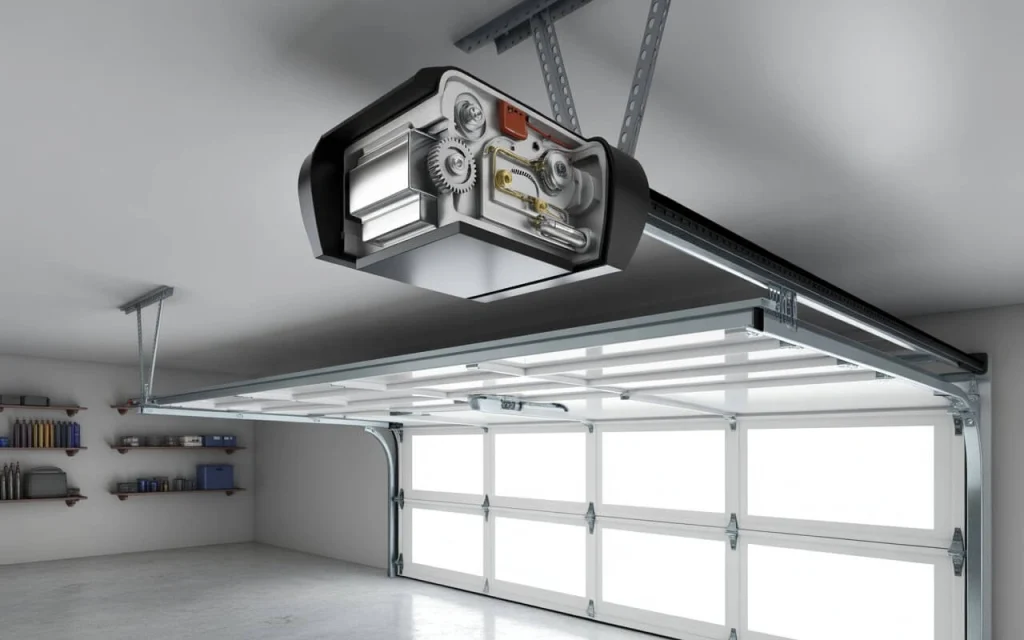
Regular care can reduce the need for frequent repair garage door opener. Here are simple maintenance practices:
- Lubricate moving parts every 3–6 months
- Clean safety sensors regularly
- Tighten loose bolts and screws
- Test balance of the door manually
- Inspect cables for wear and tear
- Replace remote batteries annually
Following these garage door maintenance tips can extend the lifespan of your system significantly.
Real-life case study: emergency opener failure in Faisalabad
A homeowner I recently worked with in Faisalabad experienced a sudden breakdown early in the morning. Their garage door refused to open, and they assumed the entire system had failed. At first, they believed it was a major mechanical issue and considered replacing the entire unit. However, after inspection, we discovered a much simpler problem, and it only required a quick repair garage door opener solution rather than a full replacement.
The issue was a combination of:
- Weak remote battery
- Slight sensor misalignment caused by dust
- Lack of system reset after a power outage
Instead of replacing the system, we followed a structured troubleshooting approach:
- Replaced the remote batteries
- Cleaned and realigned the sensors
- Performed a full system reset
- Tested the motor response
Within 20 minutes, the system was fully functional again.This case is a perfect example of common problems with garage door openers and how to fix them without unnecessary expenses. The homeowner was relieved and later shared that they now regularly follow maintenance steps to avoid similar issues.
When garage door motor troubleshooting is required
If your system still does not work after basic checks, the issue may be internal. Signs that indicate you need deeper repair garage door opener attention and garage door motor troubleshooting include:
- Burning smell from the motor unit
- Clicking sounds without movement
- Slow or inconsistent door operation
- Intermittent stopping during movement
In such cases, internal gears or capacitors may be damaged, and professional repair might be necessary.
Understanding advanced repair situations
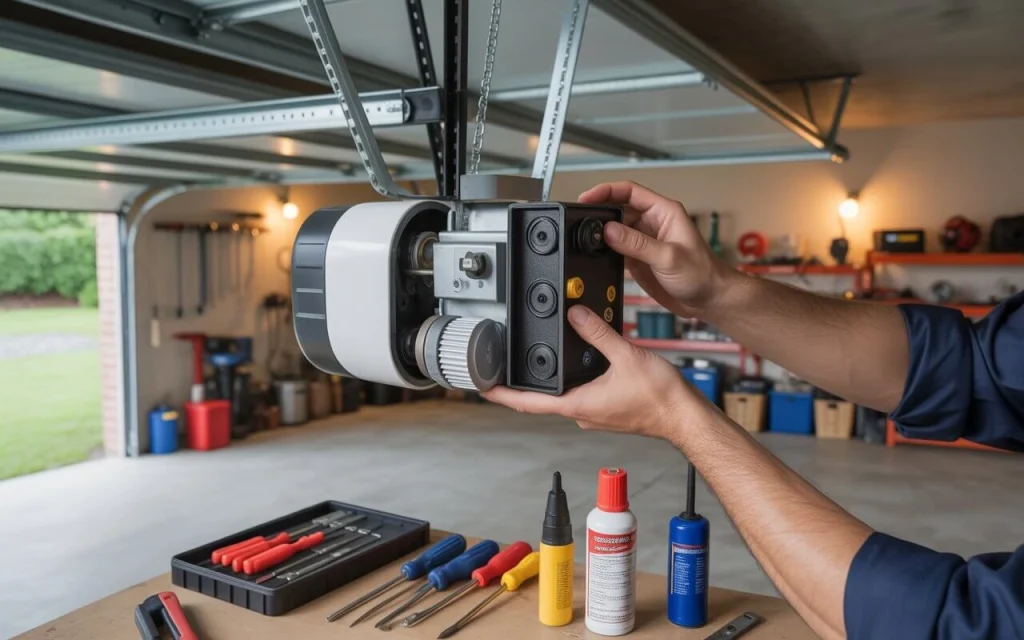
Sometimes homeowners face complex issues where basic fixes do not work. These include situations that require advanced repair garage door opener troubleshooting:
- Damaged circuit boards
- Broken drive gears
- Worn-out springs affecting movement
- Complete sensor failure
At this stage, attempting further DIY repair may worsen the issue. It is better to consult a technician for proper garage door opener repair service.
Final thoughts from real experience
Learning how to repair garage door opener systems is not just about fixing problems—it is about understanding how the system behaves over time. Most issues begin small and become major only when ignored.
From my field experience, I’ve noticed that regular inspection and basic maintenance can prevent nearly 80% of breakdowns. Whether it is a garage door remote not responding, sensor issues, or motor faults, tasks like Garage door sensor repair play a critical role in maintaining overall system performance and safety.By applying the right troubleshooting steps and staying consistent with maintenance, homeowners can avoid unnecessary repair costs and extend the life of their garage door system for years.
FAQs
Can garage door openers be repaired?
Yes, most garage door openers can be repaired if the issue is electrical, sensor-related, or mechanical.
What is the most common problem with garage doors?
The most common issue is sensor misalignment or remote control failure causing operation issues.
How do you repair garage doors?
Garage doors are repaired by checking power, sensors, springs, and motor components step by step.
Does a garage door have a fuse?
Yes, many garage door openers have a fuse or circuit board that can blow during power surges.
What is the most common garage door repair?
Sensor repair, spring replacement, and remote fixing are the most common garage door repairs.

Lena lives and breathes garage doors. She’s the one to turn to when you need insights on keeping your garage secure and functioning smoothly.