A sturdy garage door isn’t just about security—it’s also your first line of defense against drafts, pests, moisture, and energy loss. One of the most overlooked components is the garage door bottom seal. As a garage repair doors expert, I’ve installed and replaced countless seals, and I’ve seen firsthand how a simple bottom seal can make a massive difference in comfort and efficiency.In this guide, we’ll explore the types of garage door bottom seals, installation tips, maintenance strategies, and real-life use cases that can help you make the right choice for your home.
Content
Understanding the Importance of a Garage Door Bottom Seal
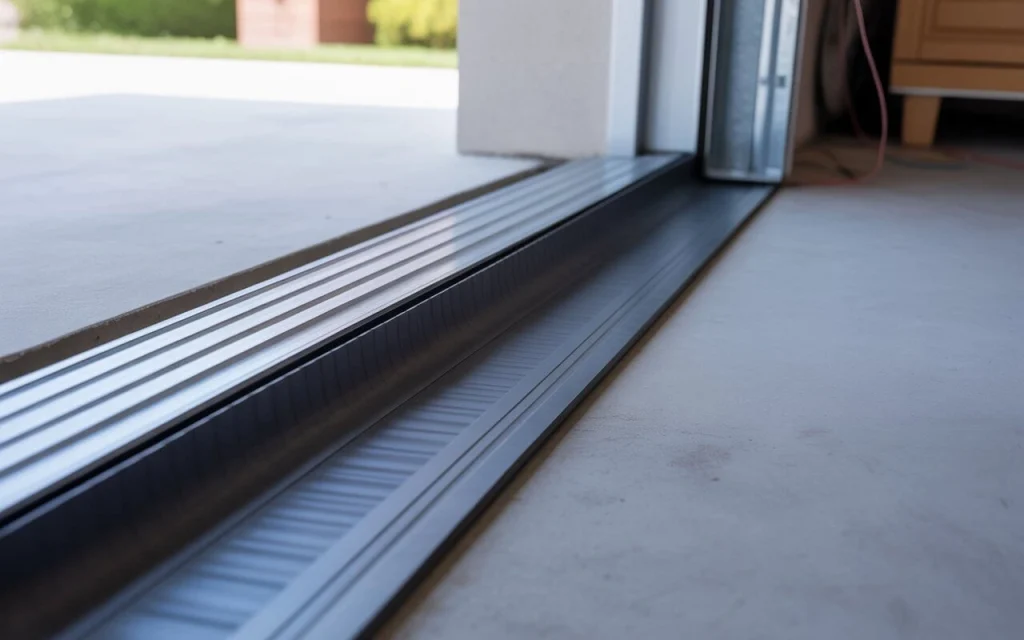
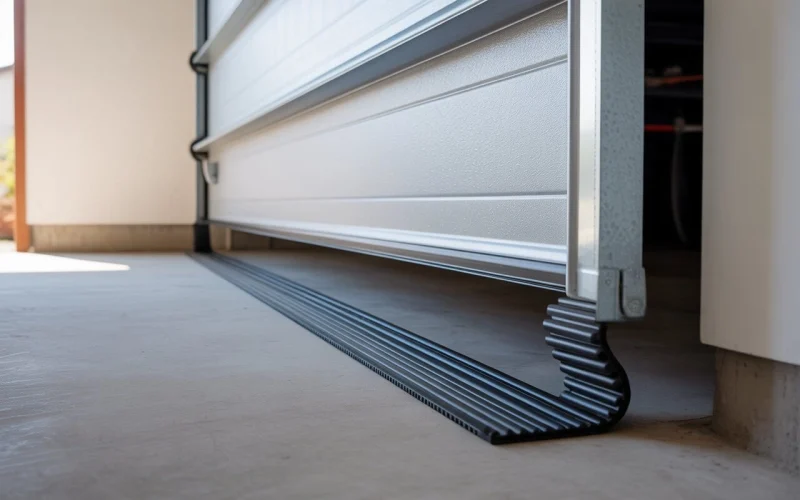
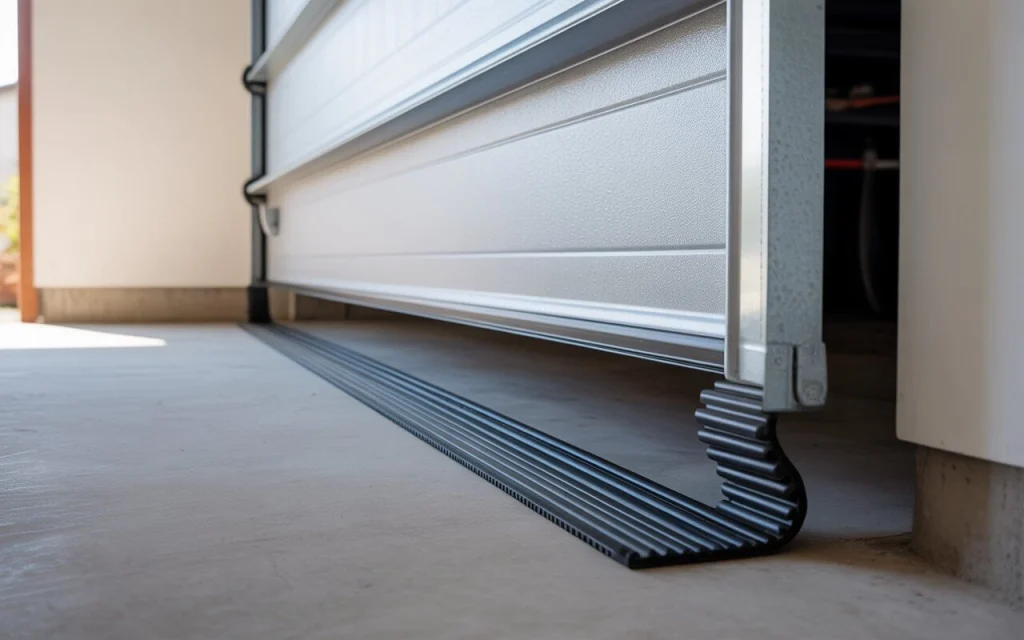
A garage door bottom seal is the rubber or vinyl strip that sits at the base of your garage door, creating a tight barrier between your garage and the outside environment. Its main purpose is to:
- Keep out drafts, cold air, and moisture.
- Prevent pests and insects from entering the garage.
- Enhance energy efficiency by keeping your garage and adjacent rooms insulated.
- Protect your garage floor from water damage.
Many homeowners underestimate the impact of a worn or damaged seal. A poorly sealed garage can lead to higher heating bills in winter, water pooling near the foundation, and even rodent infestations.
Case Study:
Last winter, one of my clients, Tom, noticed his garage was unusually cold despite having an insulated door. Upon inspection, I found the rubber bottom seal had cracked and shrunk over time. After replacing it with a high-quality vinyl garage door bottom seal, the temperature difference was noticeable immediately, and the garage became significantly more comfortable. Tom even reported lower heating bills because his home’s internal temperature remained steadier.
Types of Garage Door Bottom Seals
Choosing the right seal depends on your garage door type, climate, and budget. Here are the most common options:
1. Rubber Garage Door Bottom Seal
- Durability: High; lasts 5–10 years depending on weather exposure.
- Best For: Extreme climates and heavy traffic garages.
- Pros: Resistant to cracking, offers excellent insulation.
- Cons: Slightly higher cost than vinyl or foam.
2. Vinyl Garage Door Bottom Seal
- Durability: Moderate; lasts around 5 years.
- Best For: Average climates and residential use.
- Pros: Affordable, easy to install, flexible.
- Cons: Can become brittle in extreme cold.
3. Foam Garage Door Bottom Seal
- Durability: Lower; typically 2–3 years.
- Best For: Short-term solutions or mild climates.
- Pros: Very inexpensive, easy DIY installation.
- Cons: Less effective against moisture and pests.
Tip: Always measure your garage door accurately to ensure a snug fit. Using a garage door bottom seal replacement guide can save you time and frustration.
How to Install a Garage Door Bottom Seal
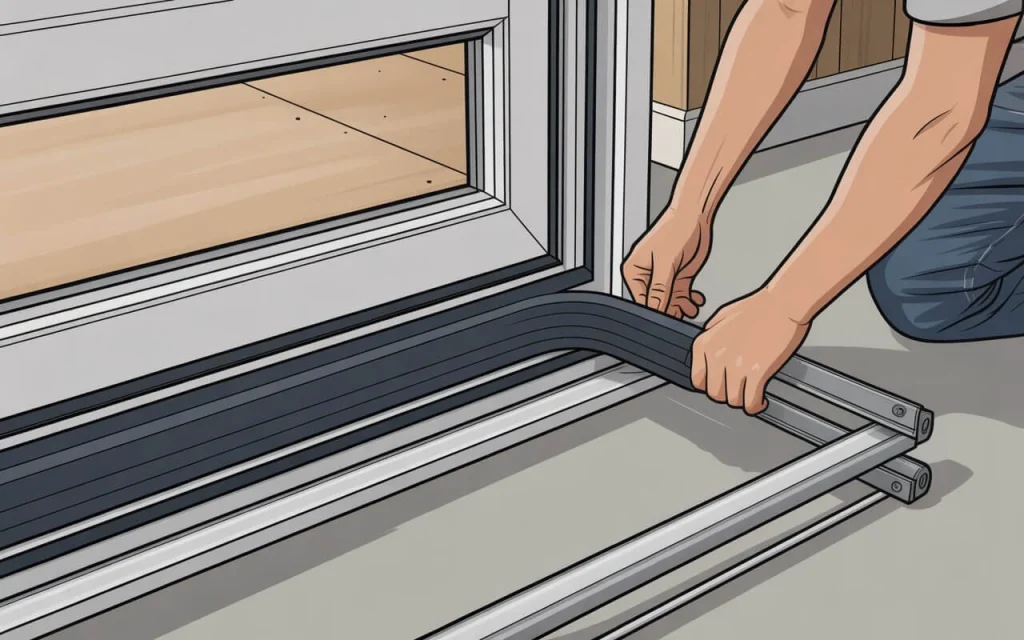
Installing a bottom seal may seem intimidating, but with the right tools, it’s achievable as a DIY project. Here’s a simple step-by-step process:
- Measure Your Door: Get the width of your garage door and the distance from the floor.
- Choose the Right Seal: Pick rubber, vinyl, or foam based on your needs.
- Remove the Old Seal: Pull out the existing seal carefully.
- Attach the New Seal: Slide it into the door’s bottom channel or use adhesive, depending on the type.
- Test the Fit: Close the garage door to ensure the seal touches the floor evenly.
Pro Tip: For older doors with uneven floors, consider using a garage door threshold to create a level surface for the seal to rest on.
Maintenance Tips for Garage Door Bottom Seals
To extend the life of your seal and maintain efficiency:
- Inspect the seal every 6–12 months for cracks or gaps.
- Clean the seal with mild soap and water to remove debris.
- Apply silicone spray to rubber seals to prevent drying and cracking.
- Replace the seal immediately if you notice pests, drafts, or moisture infiltration.
Regular maintenance not only protects your garage but also prevents costly repairs down the line.
Common Problems and How to Fix Them
Even the best seals face wear and tear. Common issues include:
- Cracking or splitting: Usually due to age or harsh weather; replace immediately.
- Shrinking: Occurs with vinyl seals in extreme cold. Choose a thicker seal next time.
- Pests entering: Ensure a snug fit; check for gaps along the sides as well.
Using these quick fixes can save homeowners from energy loss and property damage.
Choosing the Right Seal for Your Needs
Consider the following factors when deciding:
- Garage Door Size and Type: Larger doors may require heavier-duty rubber seals.
- Climate Conditions: Cold and wet regions benefit from vinyl or rubber seals.
- Budget: Foam is cheapest but least durable; rubber is long-lasting but more expensive.
Remember, the right seal not only protects your garage but also improves home comfort and energy efficiency.
Real-Life Use Case: Energy Savings
One family I assisted had a detached garage used as a workshop. Their existing foam seal had deteriorated, causing drafts. After installing a high-quality rubber garage door bottom seal, they noticed:
- Improved insulation in the garage, making it more comfortable for year-round work.
- Reduced heating bills because cold air no longer seeped into the home through the garage.
- Fewer insects enter during rainy months.
This demonstrates that investing in a durable seal provides both financial and practical benefits.
Conclusion
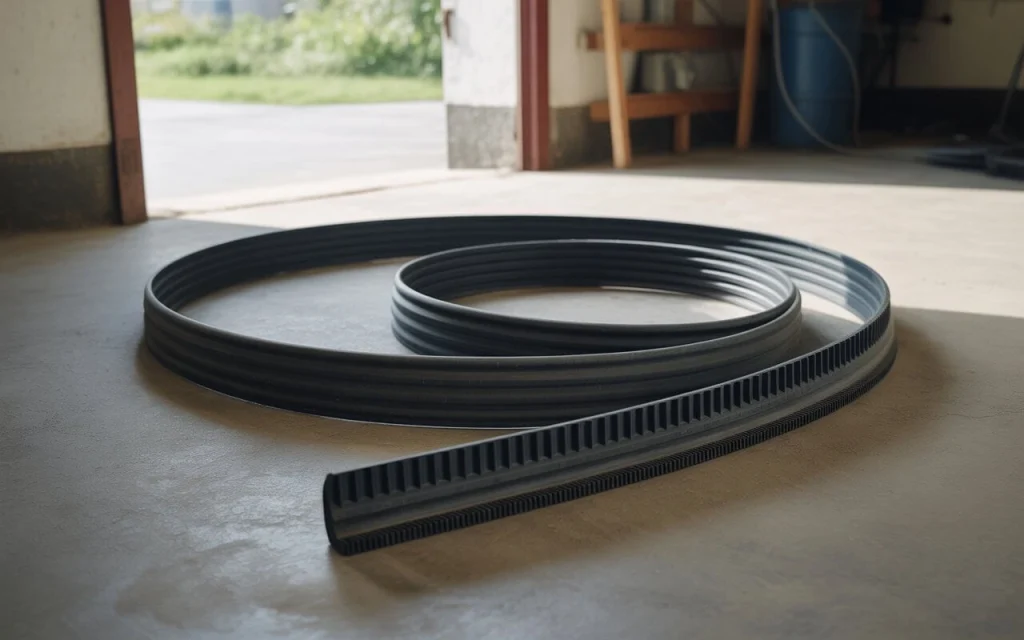
A garage door bottom seal is a small but essential component that plays a major role in protecting your garage. Whether you choose rubber, vinyl, or foam, the right seal helps block drafts, moisture, dust, and pests while improving energy efficiency. When combined with properly functioning hardware like the garage door roller, your door operates smoothly and maintains a tight seal against the floor.
Correct installation and routine maintenance not only extend the life of the bottom seal but also support the overall performance of your garage door system. Replacing worn seals and inspecting components such as the garage door roller ensures consistent operation, reduced noise, and long-term durability.Investing in a high-quality bottom seal is more than basic protection—it delivers peace of mind, lower energy costs, and a more comfortable garage space. With the right knowledge, you can confidently choose, install, and maintain the perfect seal for lasting performance.
FAQs
Can you replace the bottom seal on a garage door?
Yes, most door bottom strips can be replaced DIY or by a professional.
What is the bottom seal of a garage door called?
It’s often called a weather strip or door threshold.
What is the stuff on the bottom of garage doors called?
This material is the door’s protective bottom strip made of rubber, vinyl, or foam.
How to seal gaps under a garage door?
Install a threshold or flexible bottom strip to block drafts and pests.
What is the best type of garage door seal?
Rubber strips last longest, vinyl is cost-friendly, and foam is short-term.

Lena lives and breathes garage doors. She’s the one to turn to when you need insights on keeping your garage secure and functioning smoothly.