A garage door should open smoothly, quietly, and safely every single time. Unfortunately, many homeowners struggle with doors that feel too heavy, slam shut unexpectedly, or make loud banging noises during operation. These problems are often caused by improper spring tension. Learning how to Adjust Spring Tension for Easy Lifting can improve the performance of your garage door while also extending the life of the entire system.
When the spring tension is balanced correctly, the garage door becomes easier to lift manually and places less stress on the opener. It also reduces wear on cables, rollers, hinges, and tracks. Many homeowners assume these issues require expensive repairs, but in many cases, a simple adjustment can make a dramatic difference.
Properly balanced springs make lifting your door a breeze by hand, preventing damage and minimizing noise. Best of all, it’s something many homeowners can do themselves without requiring professional Garage Door Spring Repair in Highland Springs.
Content
Why You Should Adjust Spring Tension for Easy Lifting
Garage door springs are designed to counterbalance the weight of the door. Without them, lifting a heavy garage door would require significant effort. When the springs lose tension or become unbalanced, the door may:
- Feel extremely heavy
- Slam shut quickly
- Open unevenly
- Produce loud noises
- Put strain on the opener motor
- Wear out hardware faster
Taking the time to Adjust Spring Tension for Easy Lifting can help restore smooth operation and improve safety around your home.
Understanding Garage Door Spring Systems
Before you Adjust Spring Tension for Easy Lifting, it is important to understand the type of spring system installed on your garage door. Most residential garage doors use one of two systems:
Torsion Springs
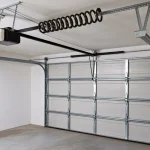
Torsion springs are mounted above the garage door opening on a metal shaft. These springs twist to store energy and are the most common system found in modern homes. They provide smoother movement, better balance, and longer lifespan compared to extension springs.
Extension Springs
Extension springs are installed along both sides of the garage door tracks. They stretch and contract as the door opens and closes. Because they operate under extreme tension, adjustments should only be performed by trained professionals.If your garage door uses torsion springs, you may be able to safely Adjust Spring Tension for Easy Lifting with the proper tools and careful attention.
Common Signs Your Springs Need Adjustment
Garage door springs naturally lose strength over time. Temperature changes, frequent usage, and age all affect spring performance. Watch for these warning signs:
- The door feels heavier than usual
- The opener struggles to lift the door
- The door closes too quickly
- Loud squeaking or banging sounds occur
- The garage door stops halfway
- One side of the door appears uneven
Ignoring these symptoms can eventually lead to complete spring failure. Early adjustments can prevent expensive repairs and improve daily convenience.
Important Safety Precautions
Garage door springs store a large amount of energy. Improper handling can result in serious injuries. Before attempting any adjustment:
- Disconnect the automatic opener
- Fully open the garage door
- Use locking pliers to secure the track
- Wear safety glasses and heavy-duty gloves
- Use proper winding bars only
- Never use screwdrivers as winding tools
If you feel uncertain about the process, contact a professional garage door technician instead.
Tools You May Need
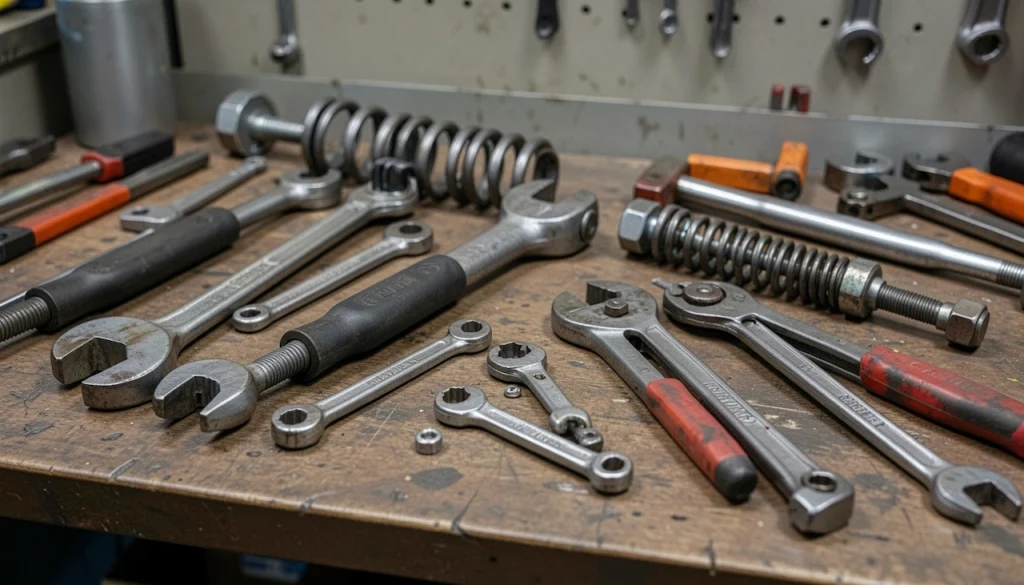
To safely Adjust Spring Tension for Easy Lifting, gather these tools beforehand:
- Winding bars
- Adjustable wrench
- Vice grips
- Step ladder
- Safety gloves
- Protective eyewear
- Marker or masking tape
Having the correct equipment makes the process safer and more efficient.
Step-by-Step Guide to Spring Adjustment
1. Disconnect the Garage Door Opener
Unplug the automatic opener to avoid accidental movement while working on the springs.
2. Secure the Door
Open the garage door fully and clamp vice grips below the bottom roller to prevent the door from falling.
3. Locate the Winding Cones
The winding cones are attached to the ends of the torsion spring shaft. These cones allow you to safely increase or decrease spring tension.
4. Begin Small Adjustments
Insert the winding bar securely into the winding cone. Slowly turn the cone in small increments according to the manufacturer’s instructions. Usually, adjustments are made in quarter-turns.
5. Test Door Balance
After each adjustment, remove the clamps and test the door manually. A properly balanced door should stay in place when lifted halfway.
6. Repeat as Necessary
Continue making small adjustments until the door opens and closes smoothly.By carefully following these steps, you can successfully Adjust Spring Tension for Easy Lifting without overcorrecting the balance.
Benefits of Properly Balanced Springs
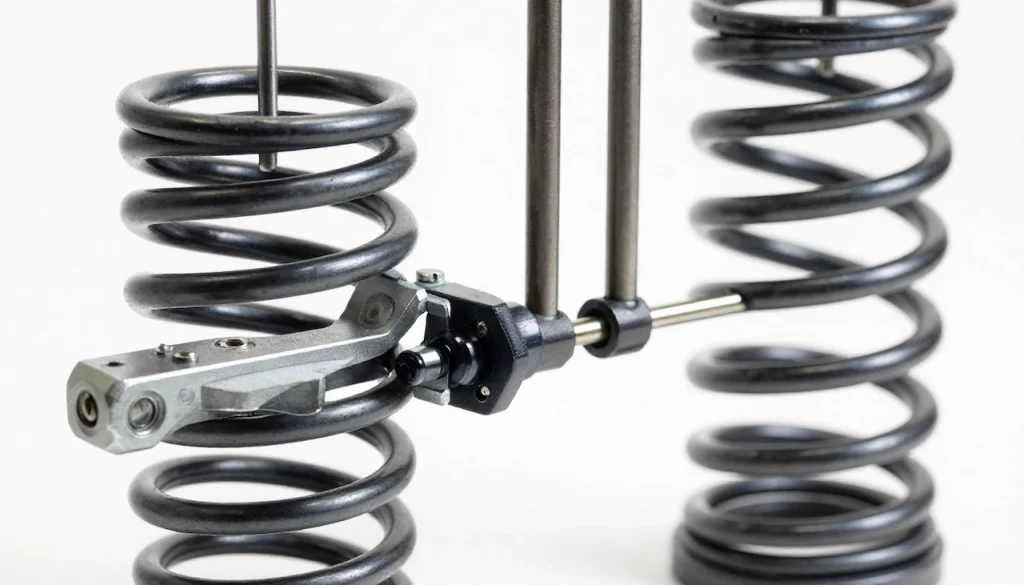
Correct spring tension provides several important benefits for homeowners:
Easier Manual Operation
A balanced garage door requires very little effort to lift by hand.
Reduced Noise
Balanced springs minimize vibrations and reduce loud banging or rattling sounds.
Longer Opener Lifespan
The opener motor works less when spring tension is properly adjusted.
Improved Safety
A balanced door is less likely to slam shut unexpectedly.
Lower Maintenance Costs
Reduced strain on moving components means fewer future repairs.These advantages make it worthwhile to periodically Adjust Spring Tension for Easy Lifting as part of your regular garage maintenance routine.
How Weather Affects Garage Door Springs
Many homeowners notice garage door issues during seasonal temperature changes. Cold weather causes metal springs to contract, while heat can expand them slightly. These fluctuations may affect balance and performance.
During winter, doors often feel heavier because springs lose flexibility in colder temperatures. Regular inspections during seasonal transitions can help maintain proper operation year-round.
Lubrication Helps Maintain Smooth Performance
Proper lubrication works together with balanced spring tension to improve garage door operation and supports efforts to Adjust Spring Tension for Easy Lifting. Apply a silicone-based garage door lubricant to:
- Springs
- Hinges
- Rollers
- Bearings
- Tracks
Avoid using heavy grease because it attracts dirt and debris. Routine lubrication reduces friction and helps your door move more quietly.
When to Replace Springs Instead of Adjusting Them
Sometimes spring adjustments are no longer enough. Garage door springs eventually wear out after thousands of cycles. Signs you may need replacement include:
- Visible gaps in the spring
- Rust or corrosion
- Frequent imbalance problems
- Loud snapping sounds
- The door won’t stay open
In these cases, replacing the springs is safer than attempting repeated adjustments.
Professional vs DIY Spring Adjustment
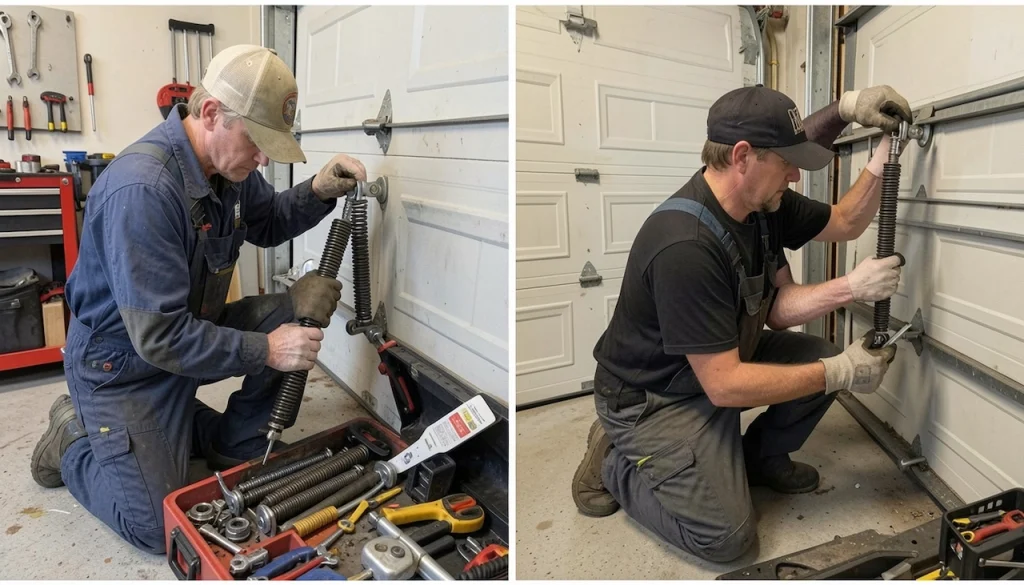
Some homeowners feel comfortable handling basic garage maintenance, while others prefer professional assistance. DIY adjustments may save money, but safety should always come first.Professional technicians have specialized tools and experience to safely handle high-tension springs. They can also inspect the entire garage door system for hidden issues.If your door shows severe imbalance or damaged components, professional service is strongly recommended.
Routine Maintenance to Adjust Spring Tension for Easy Lifting
To keep your garage door operating smoothly:
- Inspect springs every few months
- Lubricate moving parts regularly
- Tighten loose hardware
- Check cable condition
- Test door balance monthly
- Listen for unusual noises
Consistent maintenance helps prevent sudden breakdowns and extends the lifespan of your garage door system.
Final Thoughts On Adjust Spring Tension for Easy Lifting
A heavy, noisy garage door can quickly become frustrating and unsafe. Fortunately, learning how to Adjust Spring Tension for Easy Lifting can significantly improve the performance of your garage door while reducing noise and wear.
Balanced springs make lifting the door easier, protect the opener from unnecessary strain, and create smoother daily operation. A properly adjusted Torsion Spring Garage Door system helps distribute the door’s weight evenly, making opening and closing more efficient while extending the lifespan of key components. Whether you handle small adjustments yourself or hire a professional, regular maintenance is the key to long-lasting garage door performance.
By taking preventive action and monitoring your spring system regularly, you can enjoy a safer, quieter, and more reliable garage door for years to come. Keeping your Torsion Spring Garage Door in good condition not only improves convenience but also enhances safety and helps prevent costly repairs in the future.
FAQs
Can you adjust spring tension?
Yes, you can Adjust Spring Tension for Easy Lifting with proper tools and safe step-by-step adjustments.
How to improve spring tension?
Improve spring tension by making small torsion spring adjustments and testing door balance after each turn.
How to find the right spring tension?
The right tension allows the garage door to stay balanced and lift smoothly without heavy force.
How to get tension in spring?
Tension is added by winding the torsion spring carefully using proper winding bars.
How to reduce stiffness in a spring?
Lubrication and correct spring balance help reduce stiffness and improve smoother movement.

Meet Rodney, our garage guru. With a wrench in one hand and a can-do attitude in the other, he’s your go-to expert for all things repair and replacement.